






What's Happening?
President Trump has taken action to address the concerns of U.S. ranchers by targeting Cargill, one of the 'Big Four' meatpackers, and initiating a review of federal protections for the gray wolf. Ranchers expressed anger over President Trump's decision
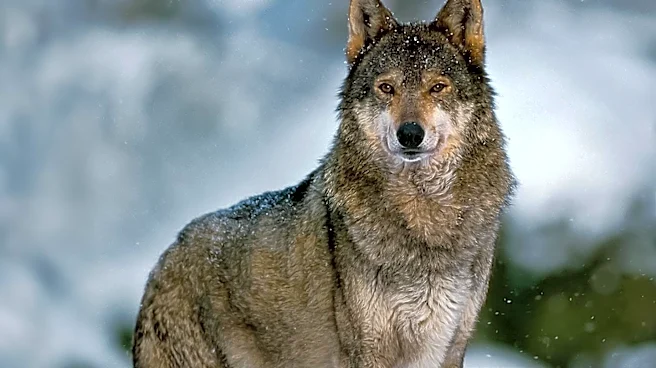
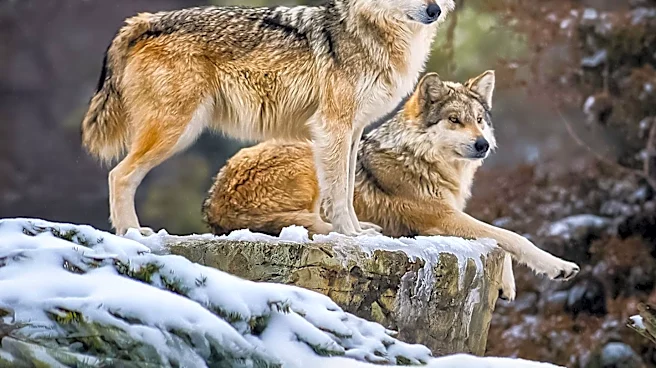
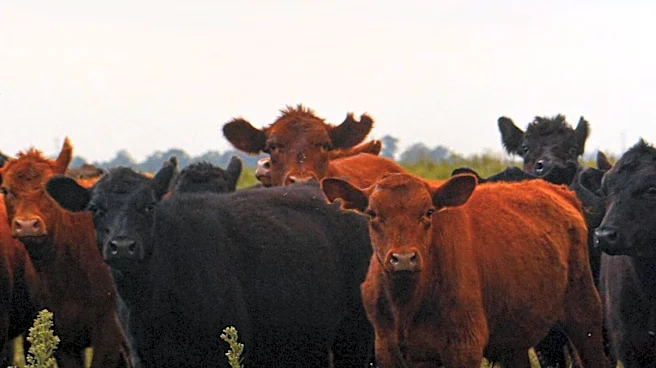
to import beef from Argentina and Brazil to lower prices. In response, President Trump signed executive orders aimed at expanding programs that allow state-inspected meats to cross state lines and providing assistance to smaller processors. He also called for stricter country-of-origin labeling on beef and meat products. Furthermore, President Trump directed federal agencies to review the recovery status of the gray wolf and Mexican gray wolf, with the intention of potentially delisting them and transferring management responsibilities to state wildlife agencies. The gray wolf is considered endangered in most states and is a known predator of cattle, particularly calves. Cargill, headquartered in Wayzata, did not comment on the directives.
Why It's Important?
These actions by President Trump carry significant implications for the U.S. agricultural sector, particularly for ranchers and the meatpacking industry. By expanding options for state-inspected meats and supporting smaller processors, the administration aims to reduce the perceived monopolistic control of large meatpackers like Cargill, Tyson Foods, JBS Foods, and National Beef, which President Trump accused of controlling 85% of the nation's beef processing. This could potentially foster greater competition and provide more opportunities for independent ranchers. The push for stricter country-of-origin labeling could also benefit U.S. cattlemen by differentiating their products from imported beef. The proposed delisting of the gray wolf is a contentious issue, as it would remove federal protections for a species that has been a source of conflict with ranchers due to livestock predation. While ranchers like Kaitlyn Root of the Minnesota State Cattlemen’s Association view this as a positive step, environmental groups argue it would harm wolf populations and is not a sustainable solution for ranchers.
What's Next?
The executive orders signed by President Trump will lead to federal agencies expanding programs for state-inspected meats and providing aid to smaller processors. The directive to review the gray wolf's recovery status will likely initiate a process that could result in the species being delisted from the Endangered Species Act. If delisted, state wildlife agencies would be responsible for managing wolf populations, potentially leading to new management plans, including the possibility of hunting seasons. However, past attempts to delist the gray wolf have faced legal challenges, and environmental groups, such as the Endangered Species Coalition, have indicated that President Trump's latest effort will likely be contested in court. The debate over the gray wolf's status will continue to involve scientific assessments, legal battles, and discussions about coexistence between wildlife and agricultural interests.
Beyond the Headlines
The President's actions highlight a broader tension between economic interests, particularly within the agricultural sector, and environmental conservation efforts. The focus on breaking up the 'nasty monopoly' of large meatpackers reflects ongoing concerns about market concentration and fairness for smaller producers. This move could spark a re-evaluation of antitrust regulations within the food industry. The gray wolf issue delves into the complex ethical and ecological considerations of wildlife management. While ranchers seek to protect their livelihoods from predation, conservationists emphasize the importance of biodiversity and the ecological role of apex predators. The potential delisting of the gray wolf could set a precedent for how other endangered species are managed, balancing human-wildlife conflict with conservation goals. This situation also underscores the political influence of agricultural lobbies and the administration's responsiveness to their concerns, even when it conflicts with established environmental protections.