

What's Happening?
March 2026 has been recorded as the hottest month for the continental United States in 132 years, according to federal weather data. This unprecedented heat is part of a broader trend of increasing temperatures attributed to climate change. The data highlights
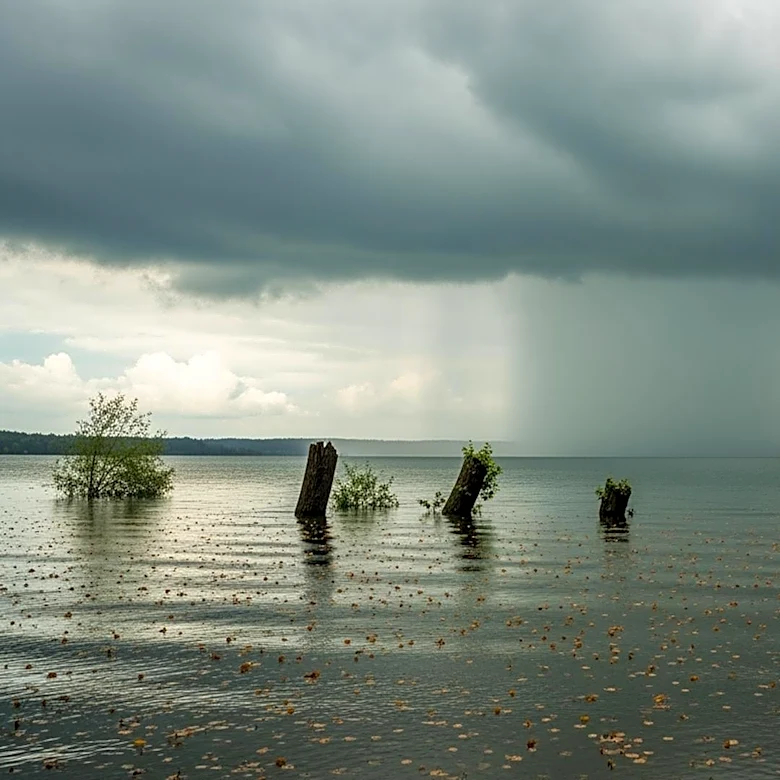
a significant deviation from historical temperature norms, underscoring the growing impact of climate change on weather patterns. The record-breaking temperatures have been accompanied by various extreme weather events across the country, including severe storms and heightened fire risks in certain regions.
Why It's Important?
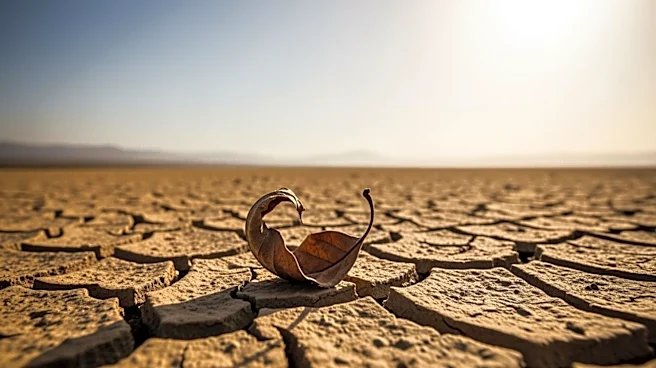
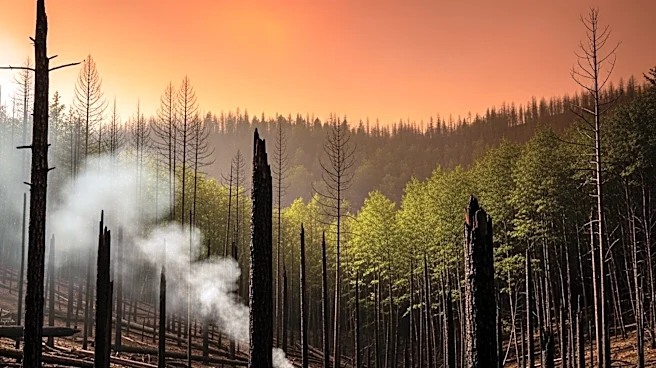
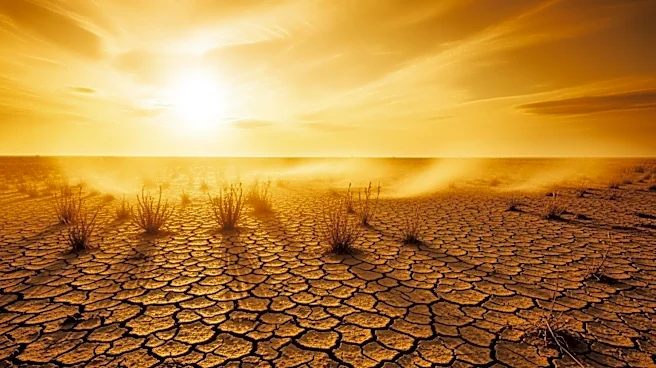
The record-setting temperatures in March 2026 are a stark reminder of the ongoing challenges posed by climate change. The increase in temperature not only affects weather patterns but also has significant implications for agriculture, water resources, and public health. Higher temperatures can lead to more frequent and severe heatwaves, which pose risks to vulnerable populations, including the elderly and those with pre-existing health conditions. Additionally, the increased heat can exacerbate drought conditions, strain water supplies, and increase the risk of wildfires, particularly in already dry regions.
What's Next?
As temperatures continue to rise, there is an urgent need for comprehensive climate action to mitigate the impacts of global warming. Policymakers may need to implement more stringent environmental regulations and invest in renewable energy sources to reduce greenhouse gas emissions. Additionally, communities will need to adapt to the changing climate by developing strategies to manage water resources, protect vulnerable populations, and enhance infrastructure resilience against extreme weather events.
Beyond the Headlines
The record-breaking heat in March 2026 could have long-term implications for the U.S. economy and society. Prolonged periods of high temperatures can lead to increased energy demand for cooling, impacting energy prices and consumption patterns. Furthermore, the agricultural sector may face challenges due to altered growing seasons and increased pest pressures. These changes could affect food security and lead to higher food prices, impacting consumers nationwide.