





What's Happening?
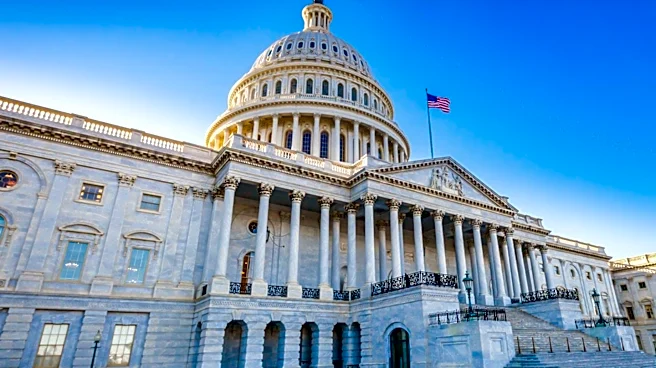
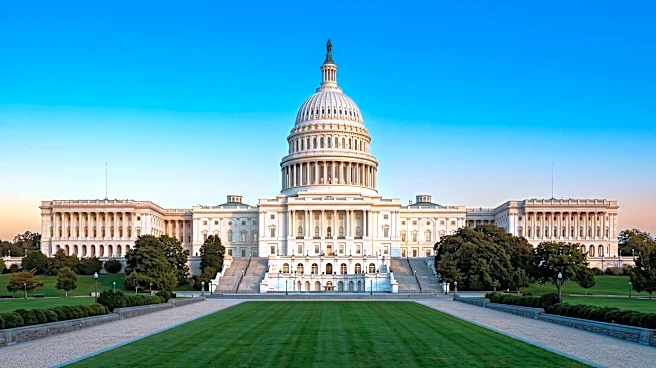
The U.S. House of Representatives has passed the Ratepayer Protection Act with a near-unanimous vote of 417-3. This bipartisan legislation aims to prevent residential and small-business utility customers from bearing the electricity costs associated with the rapid
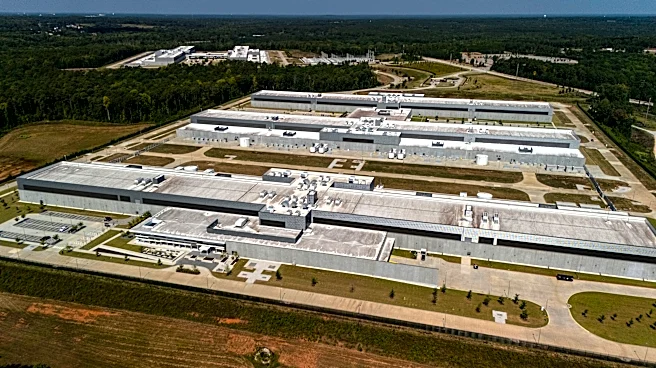
expansion of data centers across the country. The bill, led by Representatives Gabe Evans (R-Colo.) and Kathy Castor (D-Fla.), cleared under a fast-tracked process requiring two-thirds support and now moves to the Senate for consideration. The Act encourages state utility regulators to implement standards that would require large-load customers, including large-scale data centers, to cover the full cost of new electricity generation and transmission capacity built specifically to serve them. While the bill does not mandate the adoption of these standards, it directs states to consider them. This legislative action comes amidst growing concerns that the demand for power from AI-driven data center growth is outstripping the existing capacity of the power grid.
Why It's Important?
The passage of the Ratepayer Protection Act is significant because it addresses a critical economic and infrastructure challenge posed by the burgeoning artificial intelligence industry. The International Energy Agency projects that U.S. data center electricity consumption could more than double by the end of the decade, potentially accounting for over 10 percent of national power demand by 2030. Without this legislation, the substantial costs of upgrading and expanding the power grid to meet this demand could disproportionately fall on average utility customers through increased rates. By encouraging data centers to bear the costs of the infrastructure they necessitate, the bill seeks to protect consumers from higher electricity bills. This measure also highlights a broader effort to ensure that the rapid technological advancements in AI are balanced with responsible infrastructure development and equitable cost distribution, impacting both the energy sector and the tech industry's operational expenses.
What's Next?
The Ratepayer Protection Act will now proceed to the Senate for further consideration. While the House vote demonstrated strong bipartisan support, the bill's future in the Senate is not guaranteed, with some senators, like Energy and Natural Resources Committee ranking member Martin Heinrich (D-N.M.), already expressing doubts about its voluntary framework. If passed by the Senate and signed into law, the Act would then require state utility regulators to weigh the adoption of standards that shift the cost burden of new grid capacity to large-load customers. The effectiveness of the legislation will depend on the extent to which states choose to implement these standards. Additionally, the White House has already initiated a push for data center developers to commit to building or purchasing their own power supply, a pledge that hundreds of utilities and dozens of AI companies have reportedly joined, indicating ongoing efforts to address this issue from multiple angles.
Beyond the Headlines
This legislation touches upon the complex interplay between technological innovation, energy infrastructure, and consumer protection. The rapid growth of AI and its associated data centers is creating unprecedented demands on the U.S. power grid, raising questions about the sustainability of current energy policies and the equitable distribution of development costs. The debate surrounding the Ratepayer Protection Act underscores a growing societal expectation that large corporations, particularly those driving significant infrastructure demands, should contribute proportionally to the costs of public services they utilize. This could set a precedent for how future large-scale industrial developments are integrated into existing public utilities, potentially influencing policy in other sectors facing similar infrastructure strains. It also highlights the ethical dimension of technological progress, ensuring that the benefits of AI do not come at an undue cost to the general public.