





What's Happening?
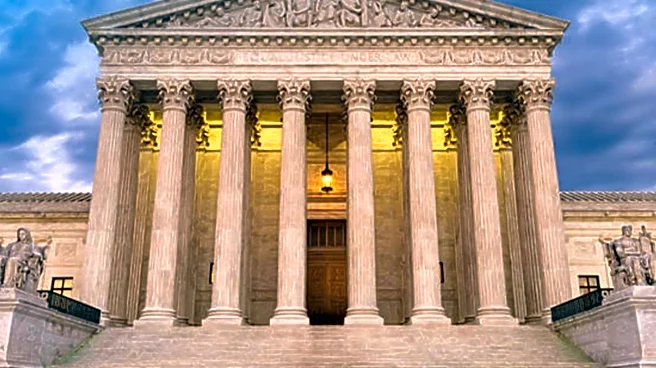
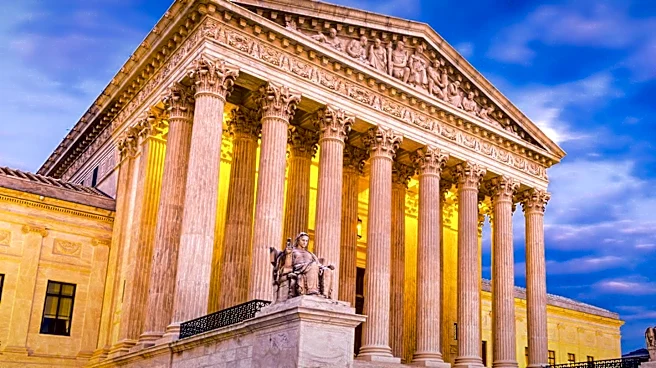
Chief Justice John G. Roberts Jr. played a pivotal role in a recent Supreme Court decision regarding birthright citizenship, a constitutional issue that has sparked significant debate among the justices. The case centered on the interpretation of the 14th
Amendment, which grants citizenship to all persons born or naturalized in the United States. The court's decision, led by Roberts and supported by the three liberal justices and Justice Amy Coney Barrett, upheld the principle of birthright citizenship. This ruling came in response to an executive order by President Trump, which sought to end birthright citizenship for children born to undocumented or temporary residents. The decision was closely contested, with a 5-4 split, highlighting differing views on constitutional interpretation. Justices Clarence Thomas and Samuel Alito dissented, arguing that the framers of the 14th Amendment did not intend to grant citizenship to children of temporary visitors or undocumented immigrants.
Why It's Important?
The Supreme Court's decision on birthright citizenship is significant as it reaffirms a long-standing interpretation of the 14th Amendment, impacting millions of individuals born in the United States to non-citizen parents. This ruling maintains the status quo, ensuring that children born on U.S. soil continue to receive citizenship, which has implications for immigration policy and demographic trends. The decision also underscores the ongoing debate between originalist and evolving interpretations of the Constitution, a central theme in contemporary judicial philosophy. The ruling may influence future legislative actions, as Justice Brett Kavanaugh noted that Congress could enact new laws to address exceptions to birthright citizenship. This decision could also affect political discourse, as it touches on contentious issues of immigration and national identity.
What's Next?
Following the Supreme Court's decision, there may be legislative efforts to address the nuances of birthright citizenship, as suggested by Justice Kavanaugh. Congress could consider new legislation to define or limit the scope of citizenship for children of non-citizens. Additionally, the ruling may prompt further legal challenges or executive actions aimed at revisiting immigration policies. The decision could also influence upcoming Supreme Court cases, particularly those involving constitutional interpretation and the balance between historical context and modern realities. Stakeholders, including immigration advocacy groups and policymakers, are likely to respond to the ruling, potentially shaping future debates on immigration reform and citizenship rights.
Beyond the Headlines
The Supreme Court's ruling on birthright citizenship highlights deeper issues related to constitutional interpretation and the role of the judiciary in shaping public policy. The decision reflects a broader tension between originalist and progressive approaches to constitutional law, with implications for how the Constitution is applied to contemporary issues. This case also raises questions about the balance of power between the executive branch and the judiciary, particularly in the context of immigration policy. The ruling may influence public perceptions of the Supreme Court's role in addressing complex social and legal challenges, as well as the broader debate over national identity and the rights of individuals born in the United States.