

What's Happening?
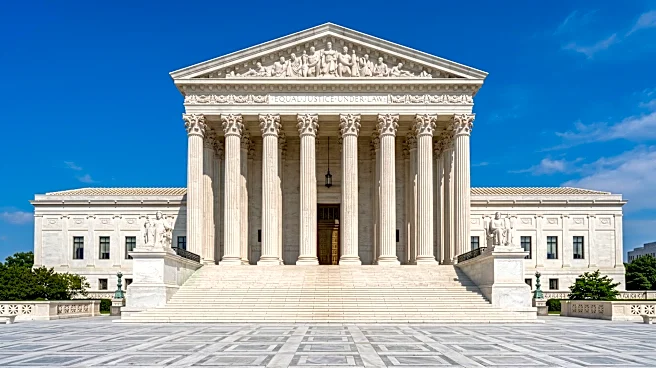
The American Center for Law and Justice (ACLJ) has filed an amicus brief with the Supreme Court, urging it to reverse a Ninth Circuit ruling that impacts Arizona's voter registration requirements. The case, Republican National Committee v. Mi Familia
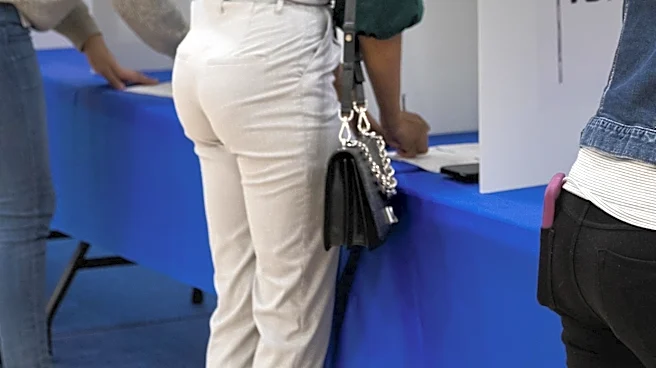
Vota, centers on Arizona's mandate for voters to provide documentary proof of citizenship and its process for confirming and canceling registrations of self-identified noncitizens. The Ninth Circuit previously ruled that the National Voter Registration Act (NVRA) preempts these Arizona requirements. The ACLJ argues that this ruling undermines Arizona's ability to maintain accurate voter rolls and ensure election integrity by making it harder to verify voter eligibility. The organization asserts that confirming a voter's citizenship is a fundamental check for trustworthy elections and that the NVRA was intended to facilitate voter registration while allowing states to keep their rolls secure, not to force states to accept registrations without reliable eligibility confirmation. The Supreme Court has agreed to hear the case, with arguments expected later this term and a decision by the end of next summer.
Why It's Important?
This Supreme Court case holds significant implications for election integrity and states' rights in managing their voter rolls. If the Ninth Circuit's ruling is upheld, it could limit states' abilities to implement robust measures for verifying voter citizenship, potentially leading to concerns about ineligible individuals participating in federal elections. Conversely, a reversal would empower states like Arizona to enforce stricter proof-of-citizenship requirements, which proponents argue are crucial for preventing voter fraud and maintaining public confidence in election outcomes. The debate highlights a fundamental tension between federal election laws, designed to make voter registration accessible, and state efforts to ensure the accuracy and security of voter lists. The outcome will influence the balance of power between federal and state governments regarding election administration and could set a precedent for how other states approach voter identification and citizenship verification.
What's Next?
The Supreme Court will hear arguments in Republican National Committee v. Mi Familia Vota later this term, with a decision anticipated by the end of next summer. The ACLJ and Representative Eli Crane (AZ-2) are actively defending Arizona's position, emphasizing the importance of verifying citizenship before a ballot is cast. The ruling will clarify the extent to which the NVRA limits states' authority to require documentary proof of citizenship for voter registration and to remove ineligible registrants. Depending on the Court's decision, there could be significant shifts in voter registration processes nationwide, potentially leading to new legislative efforts at both federal and state levels to either reinforce or challenge voter ID and citizenship verification laws. Stakeholders, including voting rights advocates and election integrity groups, will closely monitor the proceedings and the eventual ruling, which could trigger further legal challenges or legislative actions.
Beyond the Headlines
The case delves into deeper constitutional questions regarding the balance of power between federal and state governments in election administration. While federal law prohibits non-citizens from voting, the practical mechanisms for states to enforce this are at the heart of the dispute. The ruling could redefine the interpretation of the NVRA, potentially impacting the 'quiet period' rule that restricts voter roll maintenance close to elections. Critics of strict voter ID laws argue they can disenfranchise eligible voters, particularly minorities, students, and the elderly, who may face difficulties obtaining required documents. Conversely, proponents emphasize that such measures are essential for maintaining the integrity of the democratic process and preventing the dilution of legitimate votes. The Supreme Court's decision will not only address the specific requirements in Arizona but also contribute to the ongoing national debate about voter access versus election security, shaping future electoral policies and potentially influencing voter participation and trust in the electoral system.