



What's Happening?
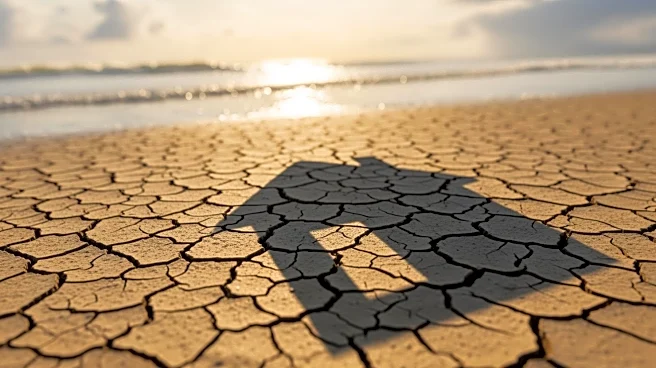
Climate change is significantly impacting the cost and process of homeownership, particularly in high-risk areas prone to natural disasters. According to the Congressional Budget Office, the increasing frequency and severity of extreme weather events,
such as hurricanes and flooding, are driving up insurance premiums, making homeownership less affordable. In some high-risk zones, insurers may even cease offering policies. Georgia's coastal areas, for example, are experiencing greater sea-level rise and storm surges, which damage properties and increase the risk of mortgage defaults. Lenders, facing potential losses from these defaults, may respond by raising interest rates, requiring larger down payments, or shortening mortgage terms for properties in these areas. The Federal Reserve Bank of Atlanta has noted that these increased costs are exacerbating affordability issues, widening the income gap for potential buyers.
Why It's Important?
The rising costs associated with climate change have broad implications for the housing market and financial stability. As insurance becomes more expensive or unavailable, homeowners in high-risk areas may struggle to recover from natural disasters, leading to increased financial vulnerability. This situation could result in a higher rate of mortgage defaults, affecting lenders and potentially leading to a repricing of loan-backed securities. The economic impact extends beyond individual homeowners, as communities may face decreased property values and reduced investment in infrastructure. These challenges highlight the need for adaptive strategies in the housing market, including the development of resilient building features and infrastructure to mitigate the effects of climate change.
What's Next?
As climate change continues to alter the landscape of homeownership, stakeholders, including policymakers, insurers, and financial institutions, will need to adapt. Potential measures could include revising zoning laws to discourage development in high-risk areas, incentivizing the construction of resilient homes, and developing new insurance models that account for the increased risks. Additionally, there may be a push for more comprehensive climate policies at the federal and state levels to address the root causes of these changes. Homebuyers are advised to research flood zones and other disaster risks, factor insurance costs into their budgets, and consider resilient building features when purchasing properties.
Beyond the Headlines
The impact of climate change on homeownership also raises ethical and social questions. As insurance becomes less accessible, there is a risk of exacerbating existing inequalities, as lower-income households may be disproportionately affected. This could lead to increased displacement and gentrification in certain areas, as wealthier individuals are better able to absorb the rising costs. Furthermore, the financial strain on homeowners and communities could lead to broader economic instability, highlighting the interconnectedness of climate change, housing, and economic policy.