



What's Happening?
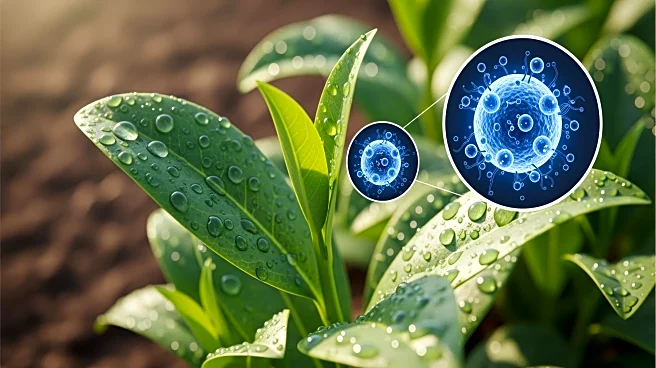
Researchers from the Unidad Académica de Estudios Territoriales Oaxaca at the Instituto de Geografía de la UNAM have discovered bacterial communities in the Mixteca Alta region that can significantly boost sustainable agriculture. These bacteria improve
soil fertility and promote ecological restoration by enhancing nutrient cycling and suppressing pathogens. The discovery paves the way for developing local biofertilizers and biostimulants, reducing reliance on industrial agrochemicals. This integration of modern genomic science with traditional agricultural practices positions Mixteca Alta as a global model for sustainable agriculture.
Why It's Important?
This discovery has the potential to transform agricultural practices in Mexico by reducing dependency on costly agrochemicals and enhancing food sovereignty. By improving soil health and productivity, these bacterial communities offer a sustainable solution to soil degradation, a significant issue affecting arable land. The research underscores the value of combining scientific innovation with traditional knowledge, providing a model for addressing global challenges like climate change and food security. As agriculture faces increasing pressures from environmental and economic factors, such advancements are crucial for ensuring long-term sustainability and resilience.