
What's Happening?
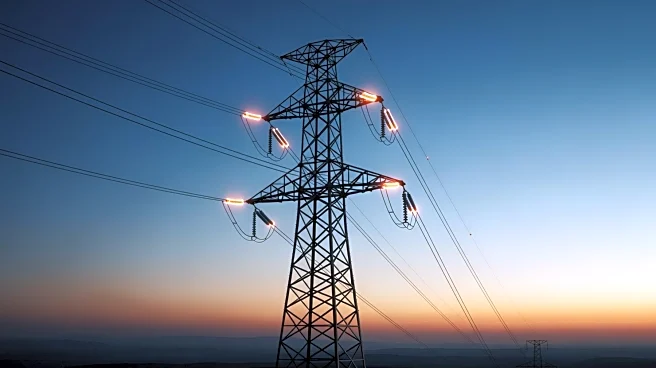
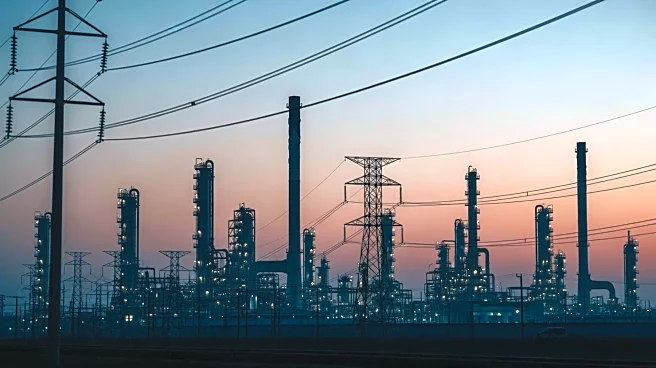
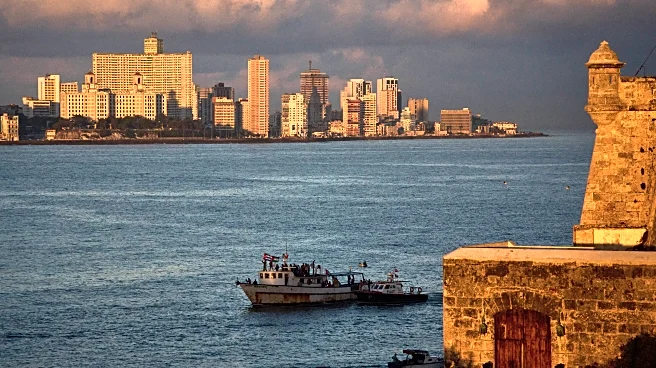
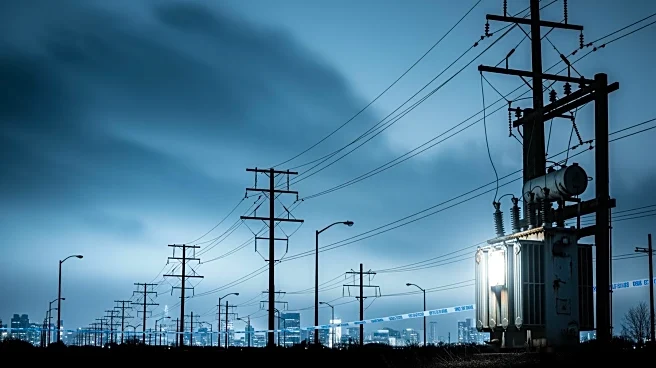
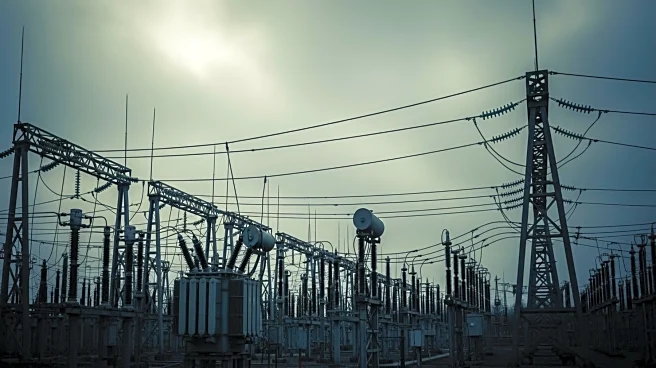
Cuba has experienced a second nationwide power grid outage within a week, as reported by the Ministry of Energy and Mines. The blackout marks the third such incident in March, highlighting the ongoing struggles with the country's aging infrastructure
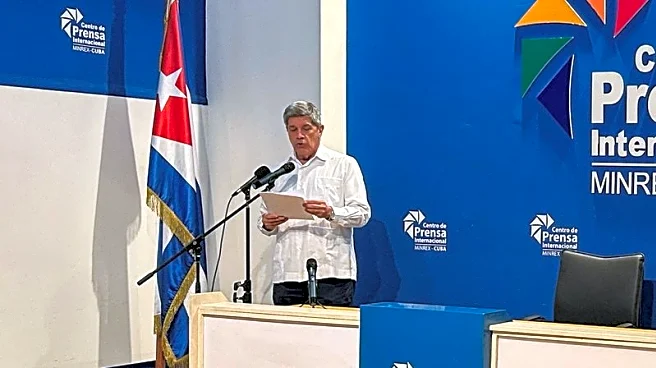
and fuel shortages. The Cuban Electric Union confirmed a total blackout across the island, though no specific cause was provided. Efforts are underway to restore electricity. The outages have become more frequent over the past two years, exacerbated by a U.S.-imposed oil blockade and the island's inability to produce sufficient fuel to meet its needs. President Miguel Díaz-Canel has noted that Cuba has not received oil from foreign suppliers for three months, further straining the power grid.
Why It's Important?
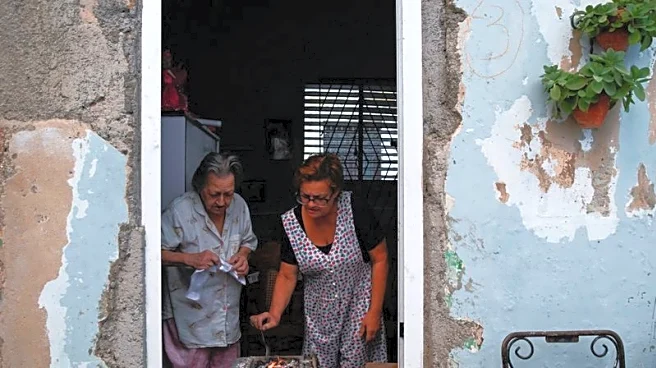
The repeated power outages in Cuba underscore significant challenges facing the country's infrastructure and energy supply. These blackouts disrupt daily life, affecting work hours, food preservation, and overall quality of life for residents. The situation is compounded by the U.S. energy blockade, which has intensified under President Trump's administration. The blockade aims to pressure Cuba into political and economic reforms, including the release of political prisoners. The outages highlight the broader geopolitical tensions between the U.S. and Cuba, with potential implications for regional stability and international relations. The ongoing energy crisis could also impact Cuba's economic performance, further isolating the nation from global markets.
What's Next?
Cuba's government is likely to continue efforts to stabilize the power grid and seek alternative energy sources to mitigate the impact of the U.S. blockade. The situation may prompt further diplomatic negotiations or international interventions to address the energy crisis. The Cuban government may also explore infrastructure investments or partnerships to modernize its aging grid. Meanwhile, the U.S. administration's stance on Cuba could evolve, depending on political developments and international pressure. The ongoing energy challenges may also influence domestic policies and public sentiment within Cuba, potentially leading to calls for reform or increased government accountability.
Beyond the Headlines
The power outages in Cuba reveal deeper issues related to the country's economic model and reliance on external energy sources. The situation raises questions about the sustainability of Cuba's current infrastructure and the need for comprehensive energy policy reforms. The U.S. blockade, while intended to pressure the Cuban government, also highlights the ethical considerations of using economic sanctions as a tool for political change. The crisis may prompt discussions on the balance between national sovereignty and international influence, as well as the role of global cooperation in addressing energy security challenges.