


What's Happening?
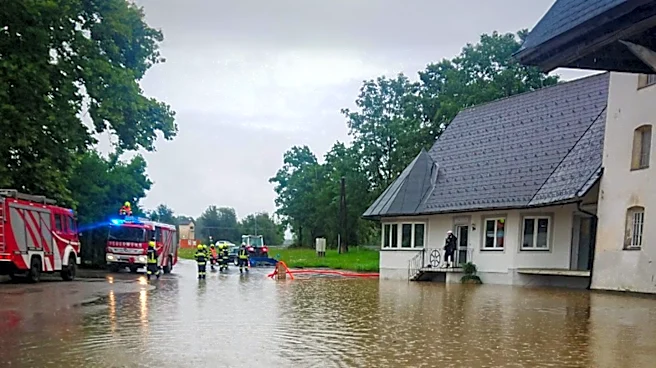
Utah Governor Spencer Cox has declared a 30-day state of emergency for Washington and San Juan Counties following severe thunderstorms and flash flooding. The executive order, signed on Friday, November 6, 2026, aims to mobilize state resources and facilitate
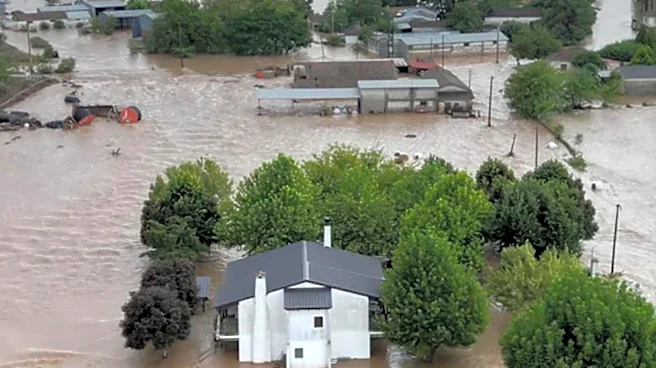
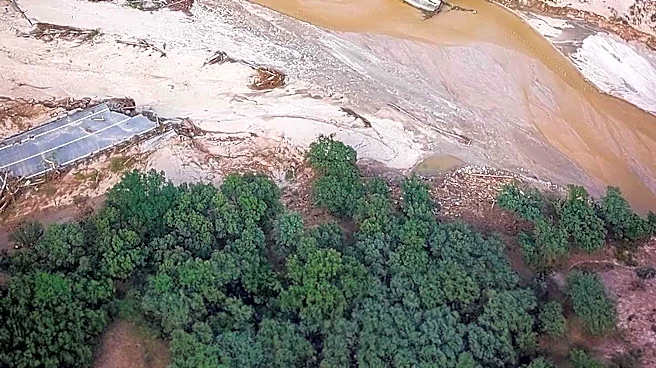
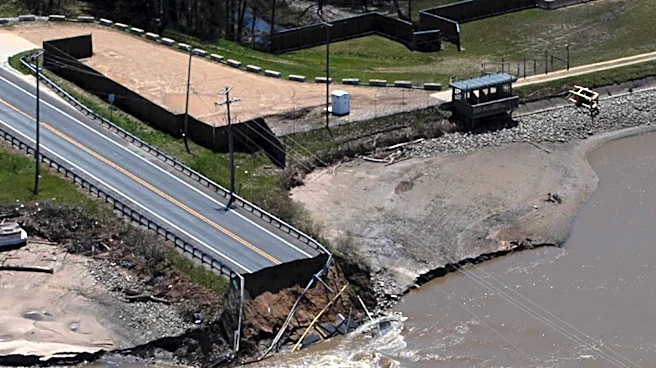
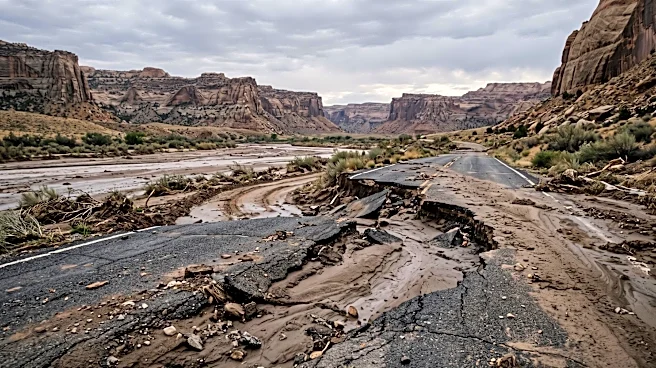
requests for federal and interstate funds to aid recovery efforts. The affected areas experienced multiple rounds of damaging floods between October 22 and November 1, impacting homes, roads, and water systems. Specifically, U.S. Route 163 and State Routes 162 and 262 sustained damage, including the closure of the Comb Wash Bridge due to erosion. Drinking water systems were contaminated, and telecommunications infrastructure was compromised. The full extent of the damage remains unclear as floodwaters have not yet fully receded in all areas. Governor Cox expressed gratitude to emergency responders and crews working to ensure public safety.
Why It's Important?
This state of emergency declaration is crucial for the affected communities in Southern Utah, as it unlocks essential resources for recovery and rebuilding. The damage to critical infrastructure, such as roads, bridges, and water systems, directly impacts residents' daily lives, access to essential services, and the local economy. Contaminated drinking water poses significant public health risks, while damaged transportation routes hinder commerce and emergency response. The ability to request federal and interstate funds is vital for a comprehensive recovery, especially given the extensive and repeated nature of the flooding. Without this declaration, local resources would be severely strained, prolonging the recovery period and exacerbating the challenges faced by residents and businesses in these rural areas.
What's Next?
The 30-day state of emergency will allow Utah to allocate additional resources and seek federal and interstate assistance for the flood-affected counties. The declaration may be extended by the Utah Legislature if necessary. Recovery efforts will focus on repairing damaged infrastructure, including roads, bridges, and water systems, and addressing the contamination of drinking water. Officials will continue to assess the full extent of the damage as floodwaters recede. Local leaders, such as Bluff Mayor Josh Ewing, anticipate a long-term recovery and are working with state officials to secure assistance for homeowners, businesses, and to implement measures for future flood resilience. Coordination between state, county, and Navajo Nation authorities is also underway to streamline aid for communities on the Navajo Nation.
Beyond the Headlines
The repeated flooding in Southern Utah highlights the increasing vulnerability of communities to extreme weather events, potentially linked to broader climate patterns. The challenges faced by small, rural towns in accessing recovery resources, as noted by Bluff Mayor Josh Ewing, underscore systemic issues in disaster response mechanisms that may not be adequately tailored for such communities. The damage to infrastructure, particularly the Comb Wash Bridge, not only disrupts daily life but also impacts tourism, a significant economic driver for the region. Furthermore, the contamination of drinking water and elevated E. coli levels in the San Juan River raise long-term environmental and public health concerns, necessitating sustained monitoring and mitigation efforts beyond immediate recovery.