
What's Happening?
Southern British Columbia experienced a mix of extreme weather conditions, including record-breaking temperatures, heavy rainfall, and strong wind gusts. Several regions, such as Creston and Nakusp, recorded
temperatures surpassing historical highs, with Creston reaching 12.3°C, breaking a record set in 1942. The Lower Mainland and southern Vancouver Island received significant rainfall, while the Coquihalla Highway was hit with 43 millimeters of snow. Wind gusts reached up to 119 km/h in some areas, causing potential hazards and disruptions.
Why It's Important?
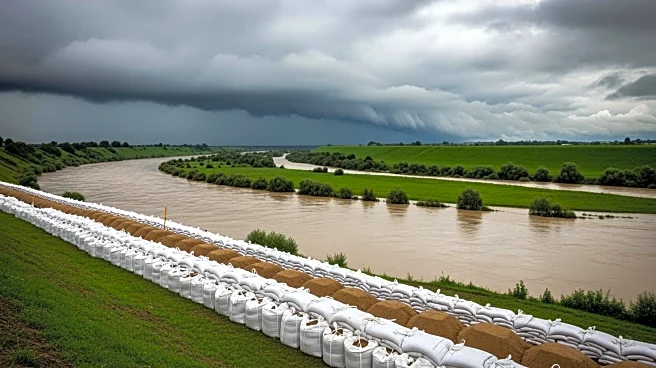
The extreme weather conditions in British Columbia highlight the increasing volatility of climate patterns, which can have significant implications for infrastructure, public safety, and the environment. Record temperatures and strong winds can lead to power outages, transportation disruptions, and increased risk of wildfires. The heavy rainfall and snow can cause flooding and hazardous driving conditions, impacting daily life and economic activities. These events underscore the need for robust climate adaptation strategies and emergency preparedness to mitigate the effects of such extreme weather.
What's Next?
Authorities in British Columbia will likely continue to monitor weather conditions and provide updates to ensure public safety. Efforts to restore any disrupted services and clear affected areas will be prioritized. In the long term, this event may prompt discussions on enhancing infrastructure resilience and developing comprehensive climate action plans to address the challenges posed by extreme weather events.