




What's Happening?
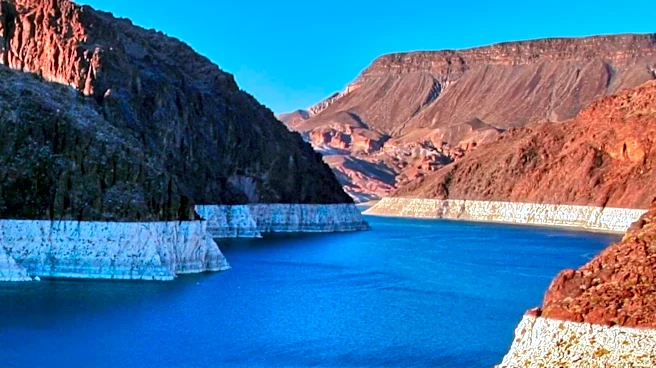
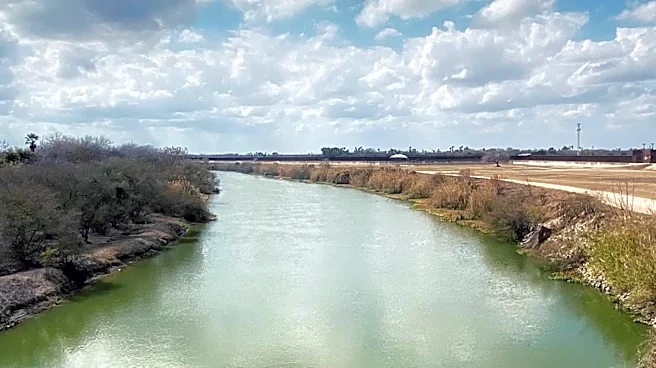
The U.S. Interior Department has released a final environmental impact statement outlining a 10-year strategy for reducing water usage from the Colorado River. This plan requires the seven states sharing the river to adjust water allocations every two
years based on river conditions. The plan sets minimum and maximum cutback levels, with significant reductions expected for Arizona, California, and Nevada. The Central Arizona Project, a major canal system supplying water to Phoenix and Tucson, will face reduced water flow. Despite the cuts, Arizona has prepared contingency plans, including reliance on groundwater and alternative water sources, to mitigate the impact.
Why It's Important?
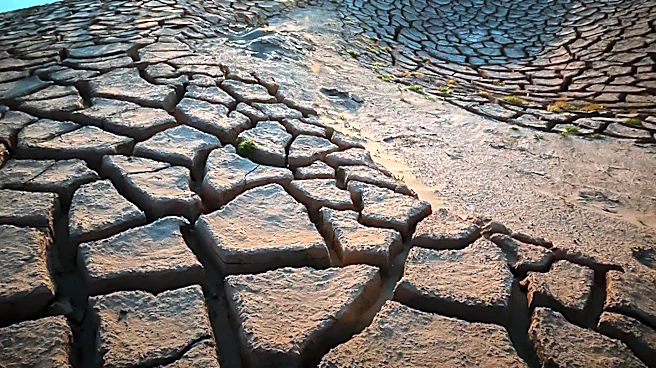
The Colorado River is a vital water source for millions of people and agricultural operations in the Southwest. The federal plan's water cuts are a response to prolonged drought conditions exacerbated by climate change. These reductions will challenge water management strategies and could lead to increased costs for infrastructure and alternative water supplies. The plan highlights the failure of states to reach a consensus on water management, necessitating federal intervention. The cuts may lead to higher water bills for residents and stricter water usage regulations, impacting daily life and economic activities in affected areas.
What's Next?
The federal government is expected to announce specific cutback plans for 2027 and 2028 soon. Arizona, along with other lower basin states, has been working on counterproposals to make the cuts more manageable. The plan's implementation will require ongoing negotiations among states to adapt to changing river conditions. Long-term strategies may include investment in water-saving technologies and infrastructure to ensure sustainable water supply. The situation underscores the need for collaborative efforts to address water scarcity and climate change impacts.