



What's Happening?
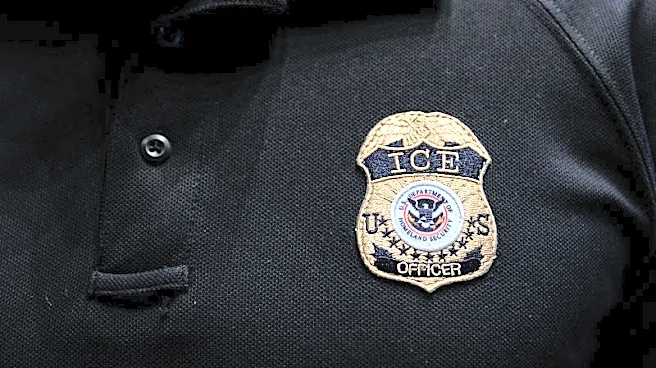
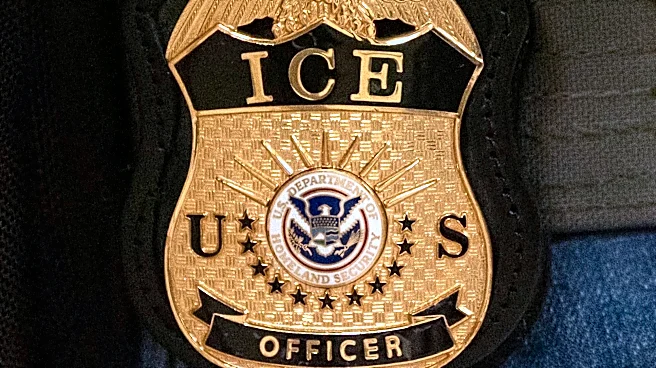
Rep. Don Beyer has voiced significant concerns regarding multiple encounters between Immigration and Customs Enforcement (ICE) agents and residents in Northern Virginia over the past ten days. His office has received reports detailing incidents of what
he describes as unjustified violence and apparently warrantless detentions. Beyer highlighted a pattern where agents allegedly stop individuals on the street, demand identification, and then use force when their instructions are questioned. Specific cases mentioned include Jose Mejia Hernandez, who reportedly sustained injuries during an encounter in Arlington, and Carolina Molina, a U.S. citizen who was allegedly filmed having a gun pointed at her by agents after she challenged and recorded them. Beyer emphasized that filming law enforcement in public is protected by the First Amendment. He also noted that agents are reportedly ignoring de-escalation training and departmental regulations. These reports coincide with claims from a local coalition, ICE Out of Alexandria, which reported detentions in the city's Chirilagua neighborhood, describing them as 'abductions' by masked agents. Beyer's office is actively seeking more details and has urged Northern Virginians to exercise extreme caution and be aware of their rights.
Why It's Important?
These allegations by Rep. Don Beyer underscore a critical tension between federal immigration enforcement and civil liberties, particularly in communities with significant immigrant populations. If proven true, the reported instances of unjustified violence and warrantless detentions by ICE agents could erode public trust in law enforcement and raise serious questions about accountability within federal agencies. The emphasis on residents knowing their rights, especially regarding filming law enforcement, highlights ongoing debates about transparency and oversight of government actions. The situation could also fuel broader discussions about immigration policy and the methods used to enforce it, potentially leading to increased scrutiny from civil rights organizations and calls for legislative reforms. For Northern Virginia, these incidents could foster fear and distrust among residents, impacting community relations and potentially leading to further legal challenges against ICE practices. The involvement of a U.S. citizen, Carolina Molina, in one of the alleged incidents further broadens the scope of concern beyond non-citizens, touching upon fundamental constitutional protections for all individuals.
What's Next?
Following Rep. Don Beyer's public statements, several immediate actions and developments are anticipated. Beyer's office is actively seeking more details regarding the reported incidents, suggesting that further investigations or inquiries into ICE's conduct in Northern Virginia are likely. He expects to meet with Carolina Molina, a U.S. citizen allegedly involved in one of the encounters, which could provide more firsthand accounts and evidence. There will likely be continued pressure on ICE to respond to these allegations and provide explanations for the reported actions of its agents. Civil liberties organizations, such as the American Civil Liberties Union (ACLU), whose 'know-your-rights' resources Beyer pointed to, may become more involved in monitoring and potentially challenging ICE practices in the region. The local coalition, ICE Out of Alexandria, will likely continue its advocacy, potentially organizing protests or further public awareness campaigns. This situation could also prompt other lawmakers to join Beyer in demanding greater oversight and accountability for federal immigration enforcement agencies, potentially leading to congressional hearings or legislative proposals aimed at establishing new guardrails for ICE operations.
Beyond the Headlines
The allegations of unjustified violence and warrantless detentions by ICE agents in Northern Virginia, as reported by Rep. Don Beyer, delve into deeper implications concerning the balance of power between federal agencies and individual rights. Beyond the immediate legal and political ramifications, these incidents highlight a persistent ethical dilemma regarding the treatment of individuals during immigration enforcement. The reported pattern of agents stopping people, demanding identification, and using force when questioned raises concerns about racial profiling and the potential for abuse of authority, particularly in diverse communities. The call for residents to know their rights, especially the right to film law enforcement, underscores a growing societal reliance on citizen oversight in an era of increased surveillance and digital documentation. This situation could contribute to a broader cultural shift in how communities interact with and perceive federal law enforcement, potentially leading to increased activism and demands for systemic reforms in immigration enforcement practices. The long-term impact could include a re-evaluation of ICE's operational protocols and a push for greater transparency and accountability mechanisms to safeguard civil liberties.