








What's Happening?
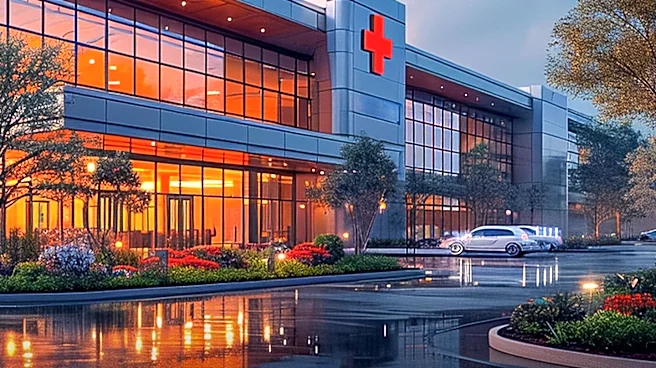
Healthcare facilities are moving away from traditional, institutional designs to embrace human-centered architectural strategies. This shift prioritizes natural light, open sightlines, and biophilic elements to create therapeutic environments. Architects,
general contractors, and glazing contractors are incorporating specialized glass solutions that meet security and privacy requirements while improving the overall patient experience. For instance, McGrory Glass's DotView™ one-way-vision glass allows staff observation from secure zones while presenting patients with soft graphic patterns or custom artwork. This approach aims to reduce stress and support healing for both patients and healthcare workers, moving beyond the 'hardened, interrogation-room style designs' of the past. Projects like the Reid Health Ambulatory Center and Intermountain Health Cassia Regional Hospital demonstrate the integration of biophilic designs and specialized glazing to balance security with patient comfort and privacy.
Why It's Important?
This evolution in healthcare architecture is crucial for the U.S. healthcare industry as it directly impacts patient recovery rates, staff well-being, and operational efficiency. Human-centered design has been consistently shown to lower stress and support healing, which can lead to shorter hospital stays and improved patient outcomes. For healthcare providers, this means potentially higher patient satisfaction scores and a more positive working environment for staff, reducing burnout. The adoption of advanced materials like specialized privacy glass also addresses the complex challenge of maintaining stringent safety and security standards without compromising aesthetics or comfort. This trend signifies a broader recognition within the industry that the physical environment plays a vital role in health and wellness, influencing investment decisions in facility design and construction.
What's Next?
The trend towards human-centered design in healthcare is expected to continue, with further integration of innovative materials and technologies. Future developments may include more sophisticated privacy solutions, enhanced biophilic elements, and designs that adapt to patient needs in real-time. Manufacturers like McGrory Glass are positioned to supply a full spectrum of specialized architectural glass solutions, including fire-rated glass, forced-entry security glazing, and X-ray shielding, ensuring that facilities can meet evolving technical, safety, and aesthetic demands. The focus will likely remain on creating integrated products that maintain strict design standards, protect project schedules, and comply with all building codes, fostering environments optimized for healing and well-being.
Beyond the Headlines
Beyond the immediate benefits of improved patient care and staff satisfaction, this architectural shift reflects a deeper understanding of the psychological impact of built environments on human health. It highlights an ethical imperative to design spaces that are not just functional but also nurturing and restorative. The move away from 'institutional' aesthetics towards more 'softer' and natural designs could influence other sectors, such as education and detention facilities, where similar challenges of balancing security with human comfort exist. This development also underscores the growing importance of interdisciplinary collaboration between architects, healthcare professionals, and material scientists to create holistic solutions that address complex societal needs.