
What's Happening?
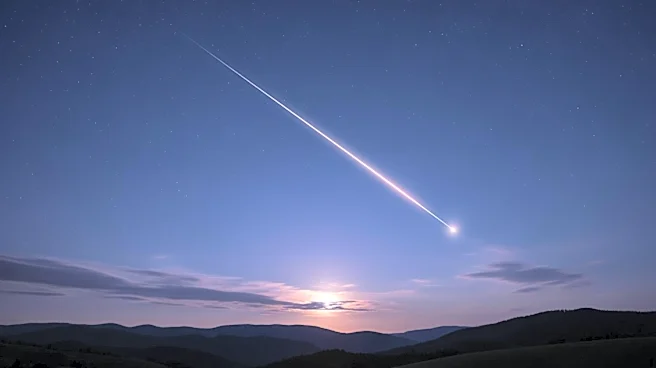
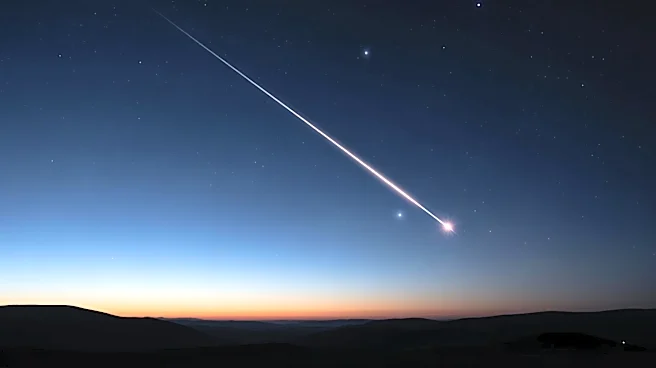
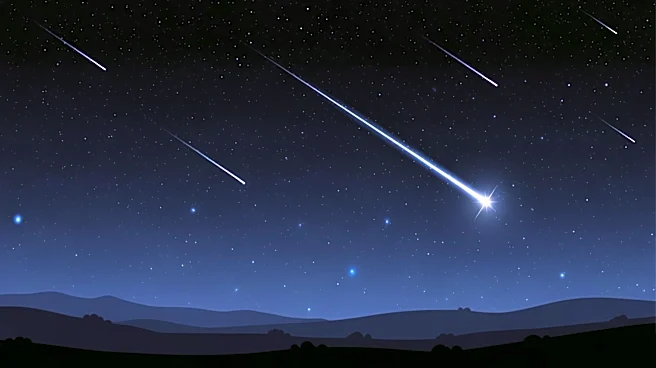
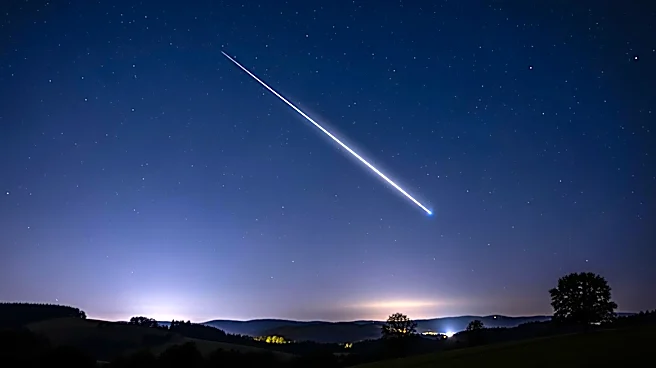
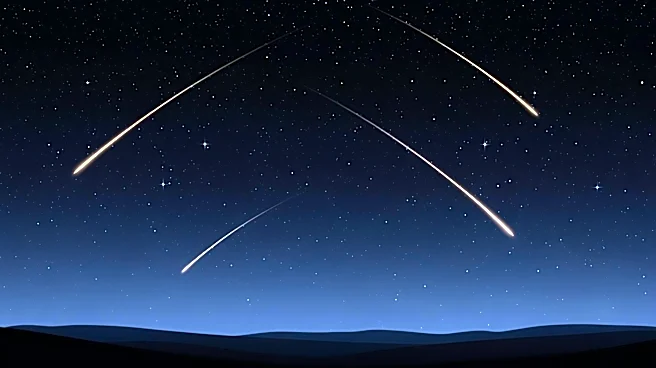
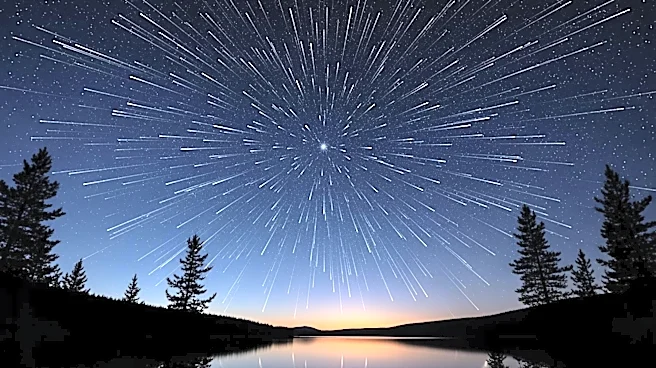
The Lyrid meteor shower is reaching its peak, offering a spectacular display of shooting stars. This annual event, active since April 16, will peak on April 22 and early the following morning. The Lyrids,
known for their bright fireballs, are debris from Comet Thatcher, which last visited the solar system in 1861. Observers in the Northern Hemisphere can expect to see 10-20 meteors per hour under dark, moonless skies. The best viewing conditions are away from city lights, with eyes adjusted to the dark for optimal meteor spotting.
Why It's Important?
The Lyrid meteor shower is one of the oldest recorded meteor showers, with a history dating back 2,500 years. It provides a unique opportunity for both amateur and professional astronomers to observe and study meteors. The event also serves as a reminder of the dynamic nature of our solar system and the ongoing interactions between Earth and celestial bodies. For the general public, it offers a chance to engage with astronomy and appreciate the natural wonders of the night sky, fostering interest in science and space exploration.
What's Next?
Following the Lyrid meteor shower, the Eta Aquarids will be the next major meteor event, peaking in early May. This shower, associated with Halley's Comet, will provide another opportunity for skywatchers to observe meteors. As public interest in astronomy grows, these events may lead to increased participation in stargazing activities and educational programs, fostering a greater appreciation for space science.