




What's Happening?
Rhoda Gorvin, 34, and Antonio Polland, 32, both residents of Iowa City, have been charged with 30 counts each of animal torture and neglect. These charges stem from a search warrant executed on their property on the 4400 block of Taft Avenue in Southeast
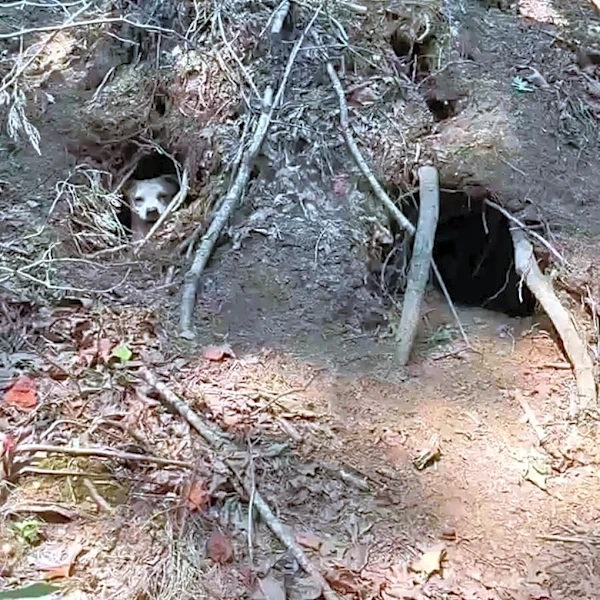
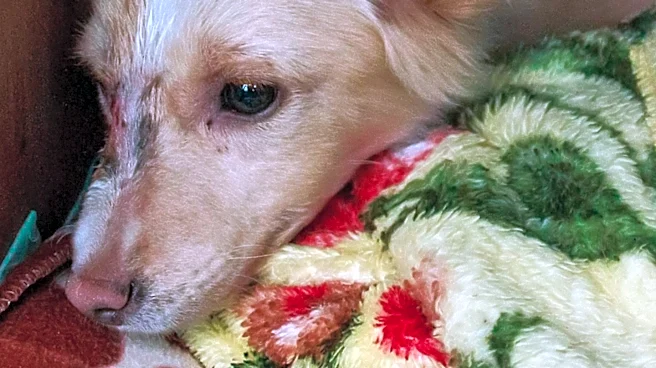
Iowa City. Authorities seized 32 live and dead dogs from the mobile home and shed on July 2. Criminal complaints from the Johnson County Sheriff’s Office detail that the dogs were kept in unsanitary conditions, reeking of urine and feces, and had no access to food or water. Veterinarian examinations revealed many dogs were severely underweight, had fleas, other health conditions, sores, or broken teeth. Some of the dogs were so severely malnourished and neglected that they had to be euthanized. Gorvin and Polland reportedly admitted to selling the dogs without a proper license.
Why It's Important?
This case highlights the critical issue of animal welfare and the consequences of unlicensed animal breeding and sales within the United States. The severe conditions described underscore the potential for animal cruelty when individuals operate outside regulatory frameworks. Such incidents can lead to significant public health concerns, as unsanitary animal living conditions can foster disease. Furthermore, the emotional and financial burden on animal shelters and rescue organizations to care for neglected animals is substantial. The legal action taken against Gorvin and Polland serves as a reminder of the laws in place to protect animals and the community's responsibility to report suspected abuse. It also brings attention to the need for stricter oversight of animal breeding operations to prevent similar situations.
What's Next?
Rhoda Gorvin and Antonio Polland have been taken into custody and booked into Johnson County Jail. The legal process will now proceed, with court appearances and potential trials to determine their guilt and appropriate sentencing for the 30 counts of animal torture and neglect. The surviving dogs will likely remain in the care of animal welfare organizations, undergoing rehabilitation and seeking adoption into suitable homes. This incident may also prompt local authorities to review and potentially strengthen regulations regarding animal breeding and sales, as well as increase enforcement efforts to prevent future cases of animal cruelty. Public awareness campaigns about responsible pet ownership and the importance of reporting animal abuse could also be initiated.
Beyond the Headlines
Beyond the immediate legal ramifications, this case touches upon broader societal issues concerning animal ethics and the commercialization of living beings. The operation of an unlicensed breeding facility, particularly one with such egregious conditions, raises questions about the motivations behind such ventures and the lack of accountability in some segments of the pet trade. It also highlights the vulnerability of animals to exploitation and the need for a robust legal and social framework to protect them. The psychological impact on communities witnessing such cruelty can be profound, fostering a sense of outrage and a demand for justice. This incident could also spark discussions about the role of consumers in inadvertently supporting unethical breeding practices and the importance of adopting from reputable shelters.