
What's Happening?
The ASEAN-EU Sustainability Summit convened in Cebu, Philippines, a day before the 48th ASEAN Leaders’ Summit, focusing on energy and food security amid the Middle East crisis. The summit, organized by
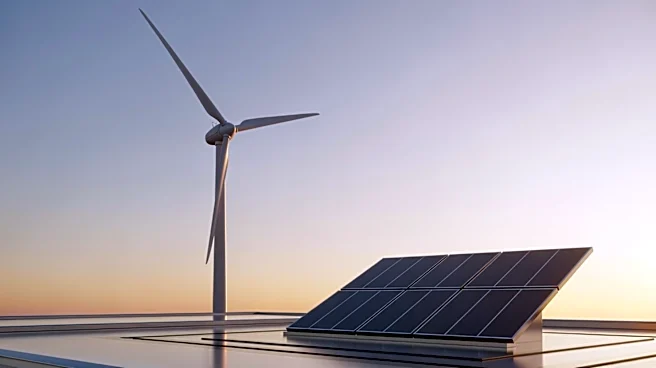
the EU-ASEAN Business Council and the European Chamber of Commerce of the Philippines, highlighted private-sector-led solutions for Southeast Asia’s green transition. Discussions centered on energy transition, green finance, circular economy, sustainable trade, and climate-resilient agriculture. The event was distinctively funded by the private sector, signaling a shift towards business-driven resilience strategies. Keynote speakers included government and industry leaders, emphasizing the integration of sustainability into economic decisions.
Why It's Important?
The summit underscores the growing role of the private sector in driving sustainability in Southeast Asia, particularly in the face of energy and food security challenges. By focusing on green growth, the region aims to enhance economic resilience and stability. The collaboration between ASEAN and EU stakeholders highlights the importance of international partnerships in addressing climate change and economic volatility. The emphasis on circular economy and sustainable supply chains reflects a strategic shift towards long-term environmental and economic sustainability, which is crucial for the region's development.
What's Next?
As the ASEAN Leaders’ Summit proceeds, the groundwork laid in Cebu is expected to influence discussions on regional energy and food security strategies. The focus on sustainability may lead to increased collaboration between ASEAN and EU countries, potentially resulting in new policies and initiatives. The private sector's involvement suggests a continued emphasis on business-driven solutions, which could shape future economic and environmental policies in the region.