







What's Happening?
Diet soda, often seen as a healthier alternative to sugary drinks, presents a complex health profile, according to dietitians. While it can serve as a 'stepping stone' for individuals reducing sugar intake, its long-term effects and suitability as a primary
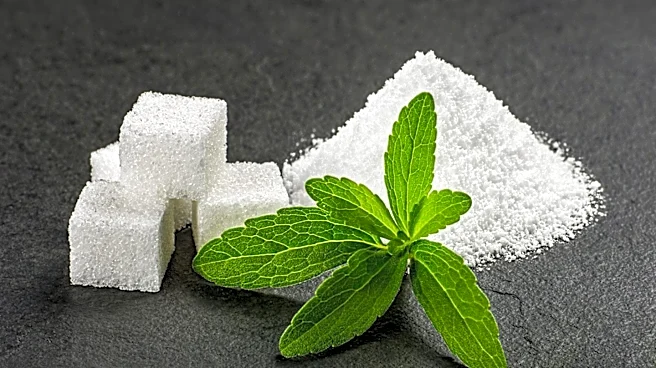
hydration source are debated. Diet sodas typically contain non-nutritive sweeteners like aspartame, sucralose, and acesulfame potassium, which provide sweetness without significant calories. Beyond sweeteners, these beverages include carbonated water, acids, flavorings, preservatives, and sometimes caffeine. Research indicates that replacing sugar-sweetened beverages with diet versions can lead to modest improvements in cardiometabolic markers and small reductions in body weight and fat percentage. However, observational studies have also linked higher consumption of diet beverages to increased risks of cardiovascular disease, stroke, and overall mortality. These associations do not prove causation, as individuals who consume more diet soda may already have underlying health conditions. The impact of artificial sweeteners on gut microbiome and blood sugar regulation is an active area of research, with some studies suggesting potential alterations.
Why It's Important?
The ongoing debate surrounding diet soda's health implications is significant for public health and the beverage industry in the U.S. For consumers, understanding the nuanced research is crucial for making informed dietary choices. The beverage industry faces the challenge of balancing consumer demand for low-sugar options with evolving scientific understanding and public perception. If diet soda is increasingly perceived as harmful, it could lead to shifts in consumer preferences, impacting sales and product development strategies. Conversely, if it continues to be viewed as a viable alternative to sugary drinks, it maintains its market position. Healthcare professionals, including dietitians, play a vital role in guiding individuals, especially those with specific health conditions like phenylketonuria, who must avoid certain artificial sweeteners. The potential for diet soda to act as a 'bridge' away from sugary drinks offers a public health benefit, but this must be weighed against the emerging concerns regarding its long-term effects on cardiovascular health and gut microbiome. The economic implications extend to companies investing in research and development for new sweeteners and beverage formulations.
What's Next?
Future developments will likely focus on continued research into the long-term health effects of artificial sweeteners and diet soda consumption. This includes more rigorous studies to differentiate correlation from causation, particularly concerning cardiovascular health and metabolic outcomes. The beverage industry may respond by exploring new types of non-nutritive sweeteners or natural alternatives to address consumer concerns and scientific findings. There could also be an increased emphasis on promoting water and other unsweetened beverages as primary hydration sources, potentially influencing marketing strategies. Regulatory bodies like the FDA will continue to monitor the safety of artificial sweeteners, and any new findings could lead to updated guidelines or recommendations. Consumers may see a greater variety of 'clean label' or naturally sweetened diet beverages entering the market. Public health campaigns might also evolve to provide more nuanced advice on diet soda consumption, encouraging moderation and emphasizing overall dietary patterns rather than focusing solely on individual products.
Beyond the Headlines
Beyond the immediate health concerns, the discussion around diet soda touches upon broader societal and ethical considerations. The marketing of diet products often implies a guilt-free indulgence, which can influence consumer behavior and perceptions of healthy eating. The reliance on artificial sweeteners also raises questions about the food industry's approach to addressing sugar consumption and obesity. There's an ethical dimension in how scientific findings are communicated to the public, ensuring that complex research is presented accurately without causing undue alarm or promoting misinformation. The cultural baggage associated with diet soda, as noted by dietitians, highlights the psychological aspect of food choices and the pressure individuals feel to conform to perceived 'healthy' eating habits. This extends to the role of influencers and media in shaping public opinion, sometimes without a full understanding of scientific nuances. Ultimately, the conversation around diet soda reflects a larger societal struggle to balance convenience, taste, and health in a rapidly evolving food landscape, prompting deeper reflection on our relationship with processed foods and beverages.