






What's Happening?
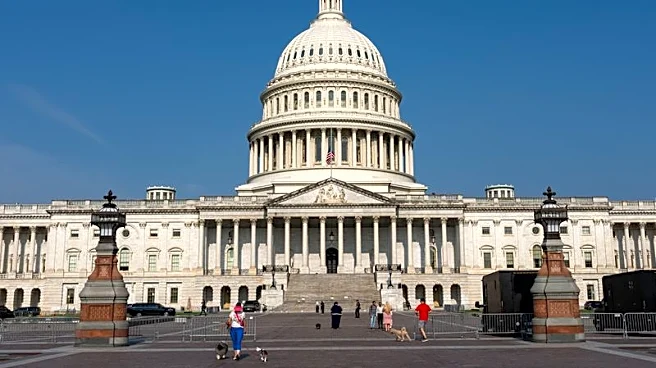
The 2027 Intelligence Authorization Act (IAA), recently passed by the House Permanent Select Committee on Intelligence, proposes to restrict commercial Earth Observation (EO) satellite operators from sharing sensitive imagery that could compromise national
security. This move comes as geospatial intelligence from commercial EO operators has become crucial in conflict zones, such as Ukraine. The bill aims to formalize government control over the dissemination of EO data, potentially impacting the commercial revenue streams of EO operators. However, the IAA also includes provisions to enhance the use of EO data by U.S. intelligence agencies, encouraging collaboration between the government and commercial operators.
Why It's Important?
The proposed restrictions on EO data access could significantly impact the commercial satellite industry, which has seen increased demand for geospatial intelligence. Limiting data sharing could affect media coverage and public awareness of global conflicts. However, the bill's provisions to boost government use of EO data could create new opportunities for collaboration and revenue for EO operators. The legislation reflects the growing importance of balancing national security concerns with the commercial interests of the satellite industry.
What's Next?
If enacted, the IAA will require EO operators to comply with new regulations on data sharing, potentially leading to changes in their business models. The industry may need to engage with government agencies to ensure compliance and explore new avenues for collaboration. The bill's progress will be closely monitored by stakeholders in the satellite and intelligence communities, as its implementation could set a precedent for future regulations on commercial data access.