




What's Happening?
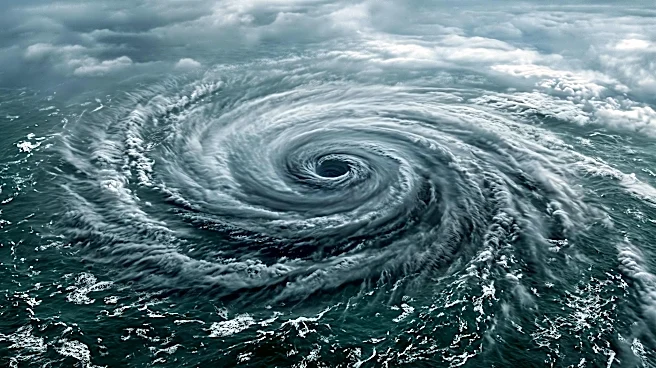
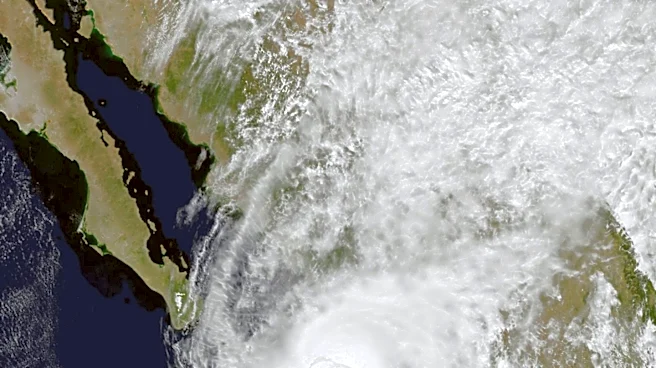
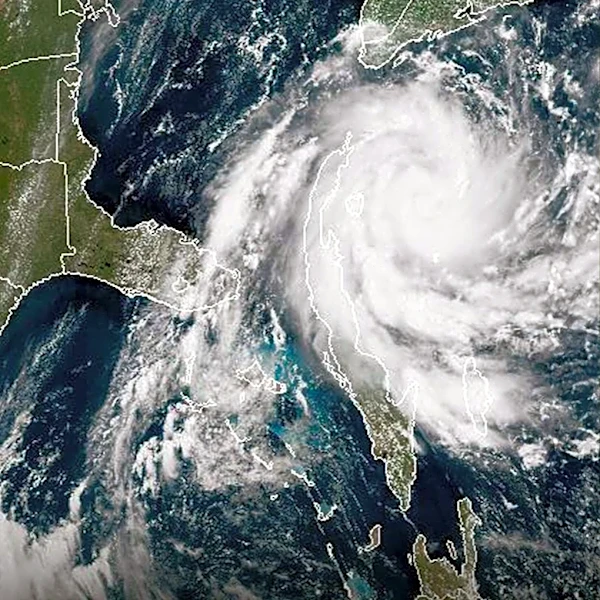
Tropical Storm Pena has officially formed in the Pacific Ocean, located well south of the Hawaiian Islands. As of the latest advisory from the Miami-based U.S. National Hurricane Center, Pena has maximum sustained winds of 45 mph (72 kph). Its current
position is approximately 650 miles (1,046 kilometers) southeast of South Point, Hawaii, and about 1,350 miles (2,173 kilometers) east-southeast of Johnston Island. The storm is moving westward at 12 mph (19 kph) and is projected to strengthen over the next day before its intensity stabilizes through the coming week. Importantly, the system is expected to remain offshore of Hawaii, and currently, no watches or warnings are in effect for land areas, indicating no immediate hazards to the islands.
Why It's Important?
The formation of Tropical Storm Pena, while not directly threatening Hawaii at present, highlights the ongoing hurricane season in the Pacific and the need for continued vigilance in coastal regions. Even distant tropical systems can influence ocean conditions, potentially leading to increased surf, rip currents, or other marine hazards that could affect shipping lanes, fishing operations, and recreational activities. For U.S. territories and states in the Pacific, monitoring such developments is crucial for preparedness and ensuring public safety, even when direct land impacts are not forecast. The U.S. National Hurricane Center's continuous tracking provides essential information for maritime interests and residents, allowing for timely adjustments to plans and operations.
What's Next?
Tropical Storm Pena is forecast to strengthen slightly over the next 24 hours, after which its intensity is expected to remain relatively stable for the remainder of the week. The storm's trajectory indicates it will continue moving westward, staying offshore of Hawaii. The U.S. National Hurricane Center will continue to issue advisories, providing updates on Pena's strength, movement, and any potential changes to its forecast track. Residents and maritime operators in the broader Pacific region are advised to stay informed through official weather channels, although no immediate land-based watches or warnings are anticipated.