



What's Happening?
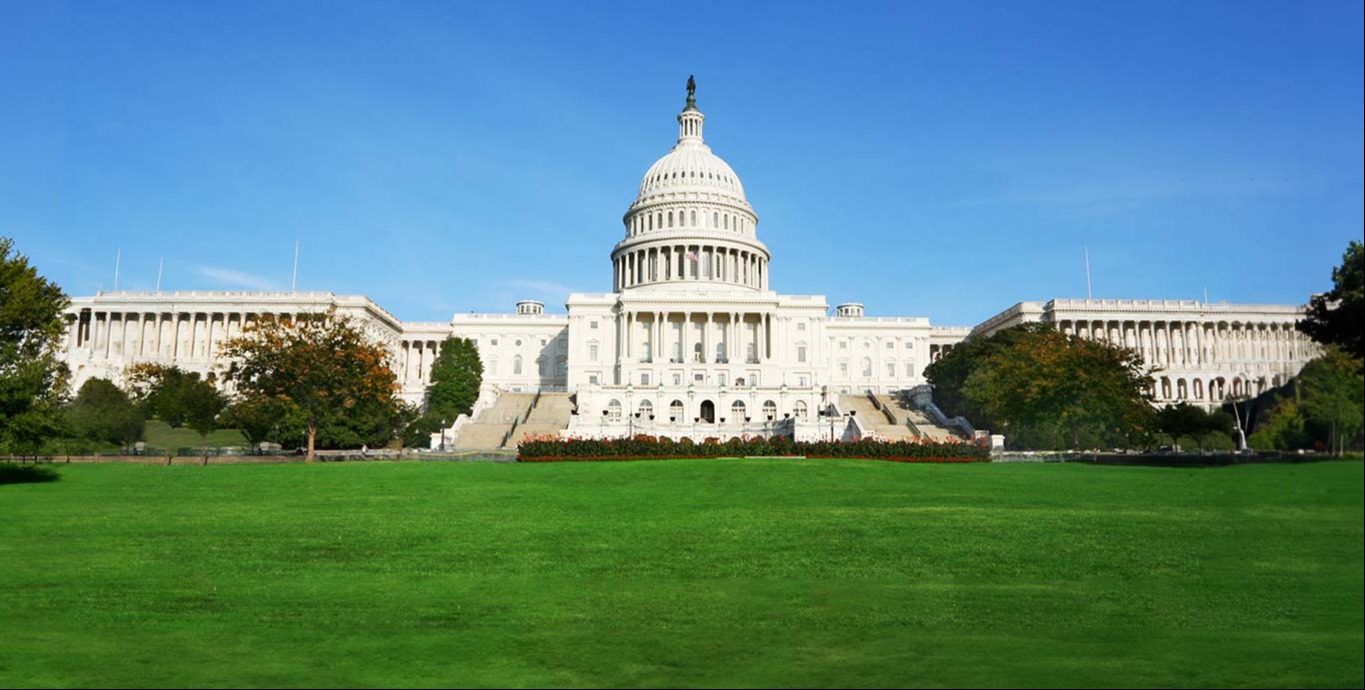
The U.S. House of Representatives is set to vote on a new bipartisan funding package as part of efforts to prevent a government shutdown. This package includes appropriations for the Departments of State, Treasury, and other related agencies. The Senate
is concurrently working on a separate three-bill package covering the Departments of Commerce, Justice, and Interior, as well as the Environmental Protection Agency. Both legislative bodies are under pressure to finalize these appropriations by the January 30 deadline to avoid a shutdown. A significant point of contention is the funding for the Department of Homeland Security, which was excluded from the current package following a controversial incident involving an ICE officer. Democrats have indicated they may withhold support unless reforms to ICE are included. GOP Rep. Tom Cole, chair of the House Appropriations Committee, acknowledged the sensitivity of the issue, which has led to the postponement of the Homeland Security funding bill.
Why It's Important?
The passage of these funding packages is crucial to maintaining government operations and avoiding a shutdown, which could have widespread economic and social impacts. The exclusion of Homeland Security funding highlights ongoing political tensions, particularly around immigration enforcement and ICE operations. The potential withholding of Democratic support underscores the broader debate over immigration policy and law enforcement practices. Successfully passing these appropriations would ensure continued government functionality, but failure to address the Homeland Security funding could lead to temporary measures that maintain current funding levels, potentially stalling any reforms.
What's Next?
If the current funding packages are approved, Congress will still need to address four additional appropriations bills to fully fund the government through the fiscal year ending in September. The Senate's upcoming recess and the House's scheduled break will compress the timeline for these decisions. Lawmakers may need to negotiate a temporary funding measure for Homeland Security if a consensus on reforms cannot be reached. The political dynamics surrounding these negotiations will likely influence future legislative priorities and strategies.