



What's Happening?
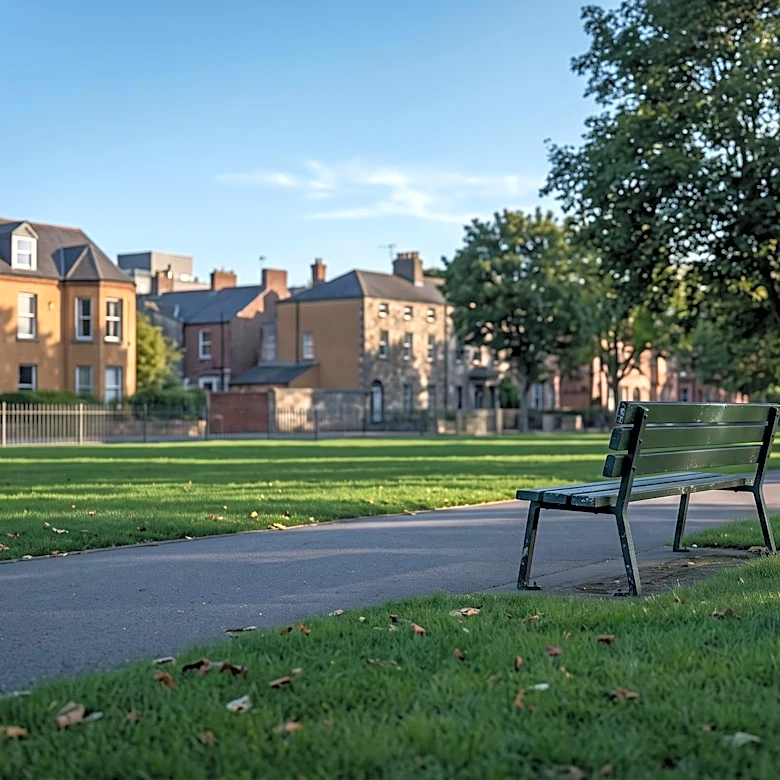
Human remains discovered in Sellers Park, Wilmington, in 2011 have been identified as Hannah Graham Kleitz, who died in 1907 at the age of 29 from a medical illness. For 15 years, investigators were unable to determine the identity of the partial skeletal
remains and skull, which a forensic anthropological examination estimated belonged to a white woman between 25 and 50 years old. New Castle County police utilized DNA profiling and forensic investigative genetic genealogy to solve the case. In January, a potential family connection was identified through a genealogical tree. A relative informed detectives that Kleitz’s mausoleum and grave at Riverview Cemetery had been unlawfully accessed and desecrated in 2002, and remains similar to those found in Sellers Park had been removed from the grave. With the support of Kleitz’s extended family, investigators exhumed remains from the cemetery and used DNA comparison to positively identify her.
Why It's Important?
This case highlights the increasing power and importance of forensic investigative genetic genealogy and advanced DNA testing in solving long-standing cold cases, particularly those involving unidentified human remains. The successful identification of Hannah Graham Kleitz, more than a century after her death and 15 years after her remains were discovered, demonstrates how these technologies can provide closure to families and resolve mysteries that traditional investigative methods could not. The desecration of a grave and the subsequent discovery of remains underscore the need for robust security measures at cemeteries and historical sites. This development also sets a precedent for how law enforcement agencies can leverage genealogical databases and DNA analysis to address complex cases, potentially leading to the resolution of other historical unidentified remains cases across the U.S. It also brings attention to the ethical considerations surrounding the use of genetic information in criminal investigations.
What's Next?
Members of Hannah Graham Kleitz’s family, investigators, and others involved in the case gathered at Riverview Cemetery on August 27 to reunite her remains and return them to her mausoleum. This act aims to provide closure to her family and ensure Kleitz is returned to her rightful resting place. The successful resolution of this case may encourage other law enforcement agencies to adopt or expand their use of forensic investigative genetic genealogy for similar cold cases. It is likely that the methods used in this investigation will be further refined and applied to other unidentified remains cases, potentially leading to more identifications in the future. The incident also raises questions about the security of historical burial sites and whether additional measures will be implemented to prevent similar desecrations.
Beyond the Headlines
The identification of Hannah Graham Kleitz through advanced DNA and genealogical methods touches upon several deeper implications. Ethically, it raises discussions about the privacy of genetic information and its use in solving crimes, particularly when family members' DNA is used to identify a distant relative. Culturally, the desecration of a grave and the subsequent efforts to restore dignity to the deceased highlight societal values concerning respect for the dead and the sanctity of burial sites. This case also underscores the enduring impact of historical events, as a crime committed decades ago (the grave desecration) led to a modern-day investigation and resolution. The long-term shift could involve increased collaboration between law enforcement, forensic scientists, and genealogical experts, leading to a more systematic approach to cold cases involving unidentified remains and historical crimes.