

What's Happening?
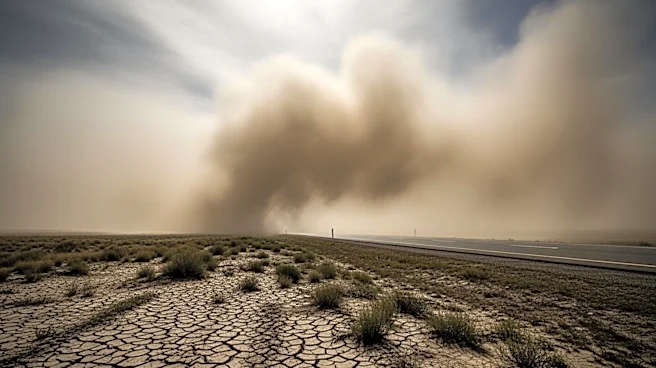
A significant dust storm led to the closure of a long stretch of U.S. Highway 2 across Montana on Thursday. The Montana Emergency Management Agency issued an emergency message, closing the highway from near Dodson to the North Dakota border due to dangerous
travel conditions caused by blowing dust. The closure, which affected a key east-west route across the Hi-Line, was in effect until at least 9 p.m., permitting only emergency travel. Videos shared by WeatherNation and weather observer Erik Johnson depicted the massive dust storm, with wind gusts reaching 70-90 mph, severely reducing visibility. Such dust storms, known as haboobs, can quickly degrade air quality and pose health risks, particularly to individuals with respiratory issues. The National Weather Service (NWS) warned that these events could lead to serious crashes due to sudden visibility drops.
Why It's Important?
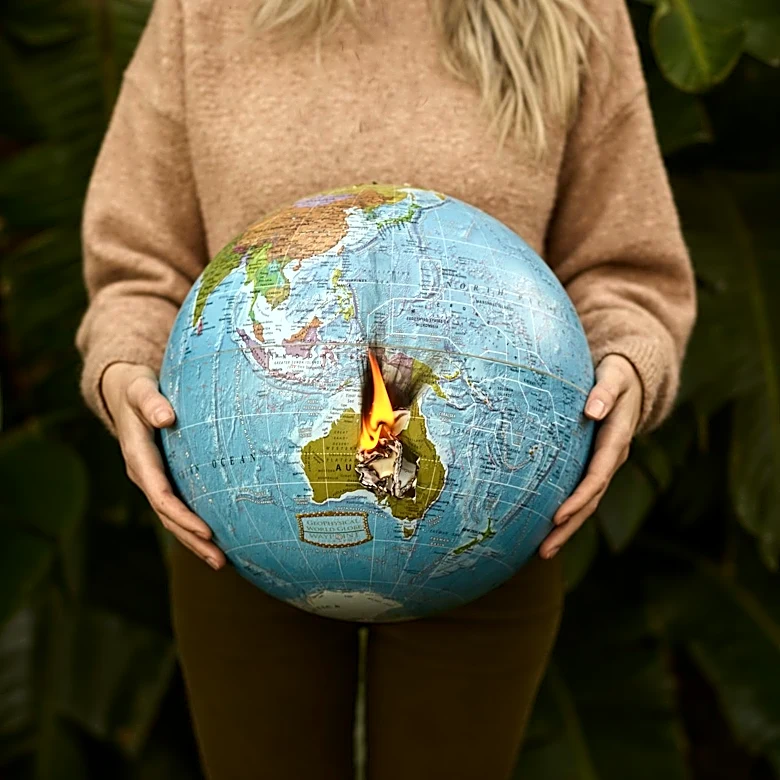
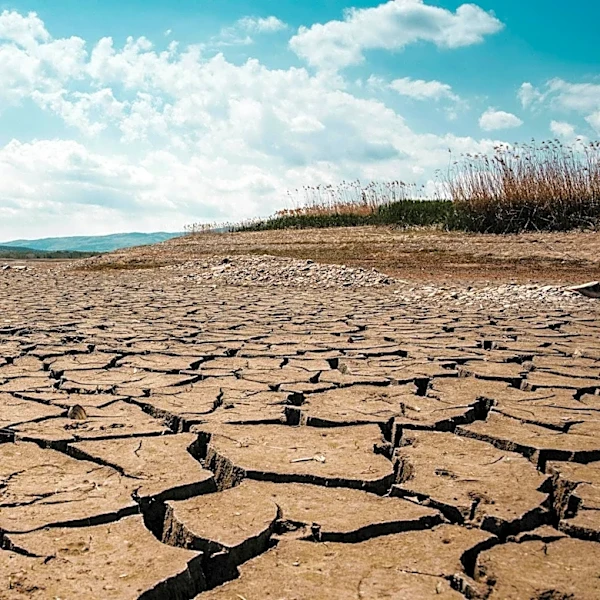
The dust storm highlights the increasing frequency and intensity of such weather events in the U.S., attributed to climate change, prolonged drought, and land-use practices. These storms not only disrupt transportation but also pose significant health risks due to degraded air quality. The affected regions, including North Dakota, South Dakota, and Minnesota, experienced unhealthy air quality levels, prompting warnings for residents to stay indoors. The event underscores the broader environmental challenges faced by the U.S., as climate change contributes to drier soils and more extreme weather conditions, impacting public health and safety.
What's Next?
As high winds continue across the region, emergency managers have urged motorists to avoid travel and stay updated on official advisories. The situation remains dynamic, with conditions potentially changing rapidly. Authorities are likely to continue monitoring air quality and weather patterns to issue further warnings if necessary. The event may prompt discussions on improving infrastructure resilience and emergency response strategies to better handle such extreme weather events in the future.