


What's Happening?
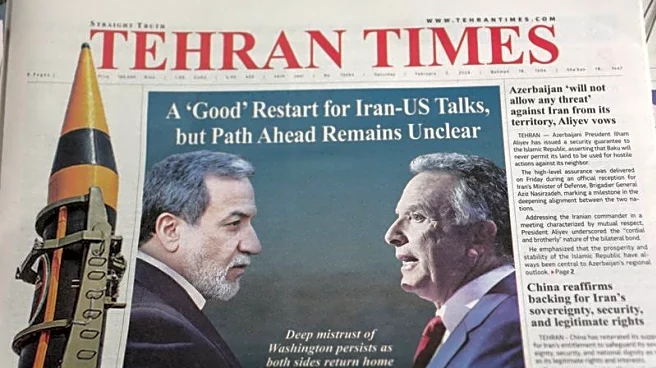
Iran's Deputy Foreign Minister Majid Takht-Ravanchi has indicated that Iran is open to making compromises to reach a nuclear agreement with the United States, provided that the U.S. is willing to discuss lifting sanctions. This statement was made during
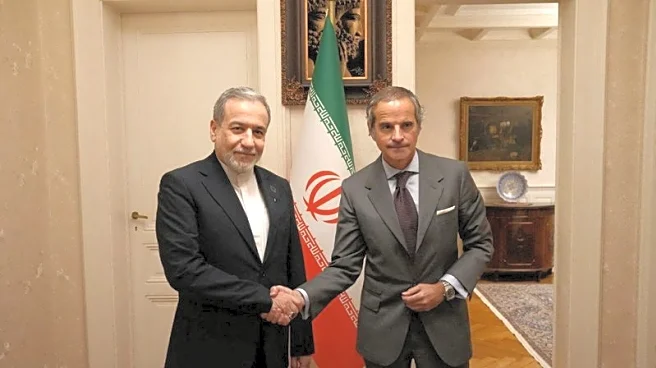
an interview with the BBC. Iran has expressed readiness to negotiate limitations on its nuclear program in exchange for the removal of sanctions, but it has consistently refused to link these discussions to other issues, such as missile programs. A second round of nuclear talks is scheduled to take place in Geneva, following initial discussions in Oman. The U.S. delegation, including envoys Steve Witkoff and Jared Kushner, will meet with Iranian representatives, with Oman mediating the talks.
Why It's Important?
The potential for a new nuclear deal between the U.S. and Iran holds significant implications for international relations and regional stability. A successful agreement could lead to the lifting of economic sanctions on Iran, potentially revitalizing its economy and altering geopolitical dynamics in the Middle East. For the U.S., a deal could mean a reduction in nuclear proliferation risks and a shift in its foreign policy focus. However, the negotiations are complex, with both sides needing to navigate domestic and international pressures. The outcome could influence global oil markets, security alliances, and diplomatic relations.
What's Next?
The upcoming talks in Geneva will be crucial in determining the future of U.S.-Iran relations. Both countries will need to demonstrate flexibility and willingness to compromise. The U.S. may face pressure from allies and domestic political factions regarding the terms of any agreement. Iran, on the other hand, must balance its economic needs with national pride and security concerns. The international community will be closely watching these developments, as the outcome could set a precedent for future diplomatic negotiations involving nuclear capabilities.