


What's Happening?
The World Food Programme (WFP) has issued a warning about the potential impact of a powerful El Niño weather pattern, which could push nearly 49 million more people into acute hunger by the end of next year. This would bring the global total to 274 million people facing
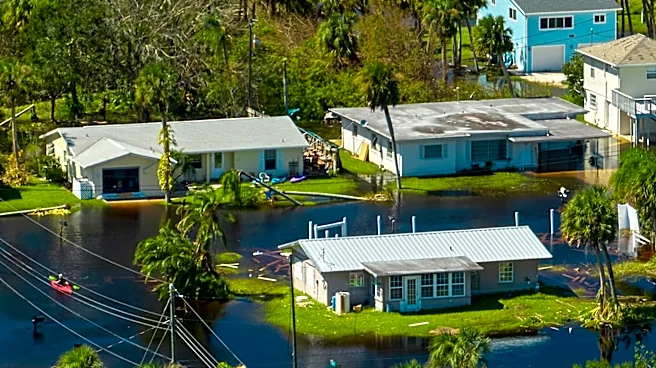
severe food insecurity. Scientists predict an 81 percent chance of an exceptionally strong El Niño, with Pacific Ocean temperatures reaching unprecedented levels. The phenomenon is expected to cause droughts, floods, and erratic rainfall, severely affecting crop production in vulnerable regions, particularly Central America and Southern Africa. The WFP also highlights that ongoing conflicts in the Middle East, coupled with weather-related crop failures, could further elevate food prices, exacerbating the situation for vulnerable families. The agency is expanding early assistance programs in 18 countries and urges governments and humanitarian partners to prepare for what could be one of the most severe climate-driven food emergencies in years.
Why It's Important?
The potential impact of a strong El Niño on global food security is significant, as it threatens to exacerbate existing vulnerabilities in food production and distribution. The increase in acute hunger could strain international aid resources and challenge governments and humanitarian organizations to respond effectively. The situation is further complicated by conflicts and economic instability in affected regions, which could lead to higher food prices and reduced access to essential resources for millions of people. The WFP's call for early intervention and preparedness highlights the need for coordinated global efforts to mitigate the impact of climate change on food security and to support the most vulnerable populations.
What's Next?
Governments and humanitarian organizations are expected to intensify their efforts to prepare for the anticipated food crisis. This includes expanding early assistance programs, enhancing food security monitoring, and securing funding to support affected regions. The WFP's warning may prompt increased international collaboration and resource allocation to address the potential humanitarian crisis. Additionally, there may be a push for policy changes to improve resilience against climate-related food insecurity, including investments in sustainable agriculture and infrastructure improvements in vulnerable areas.