







What's Happening?
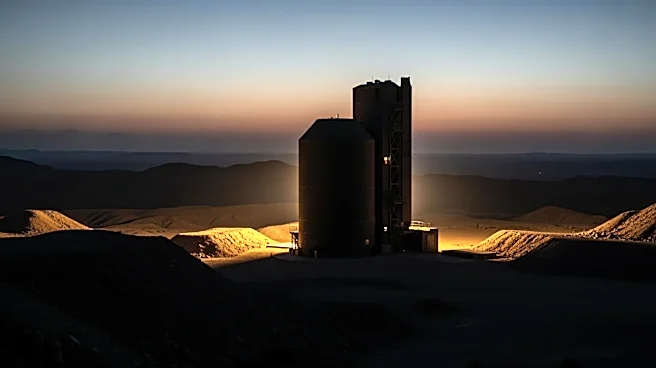
Iran is reportedly using the current ceasefire to excavate its missile bases that were buried by U.S. and Israeli airstrikes. Satellite images show trucks and heavy machinery at missile sites near Khomeyn and Tabriz, clearing debris from underground tunnels.
The work appears focused on restoring access to missile launchers, which were sealed off during the conflict. This development follows warnings from U.S. intelligence about Iran's efforts to make its missile bunkers operational again. The ceasefire remains in effect as mediators attempt to bring Washington and Tehran back to the negotiating table.
Why It's Important?
Iran's actions during the ceasefire highlight its determination to maintain military capabilities despite significant setbacks from airstrikes. The restoration of missile bases could alter the strategic balance in the region, potentially escalating tensions with Israel and the U.S. The situation underscores the challenges of achieving lasting peace, as Iran's military capabilities remain a contentious issue in negotiations. The restoration efforts may also impact regional security dynamics, with implications for U.S. foreign policy and military strategy in the Middle East.
What's Next?
As Iran continues to restore its missile bases, the ceasefire's effectiveness in facilitating diplomatic negotiations may be tested. The restoration efforts could complicate talks between the U.S. and Iran, particularly regarding Iran's military capabilities and regional influence. The situation may prompt further military responses from Israel and the U.S., potentially leading to renewed hostilities. Diplomatic efforts will need to address these challenges to achieve a sustainable resolution.
Beyond the Headlines
Iran's restoration of missile bases during the ceasefire raises questions about the effectiveness of military interventions in achieving long-term peace. The situation highlights the need for comprehensive diplomatic solutions that address underlying security concerns. Iran's actions may also influence regional alliances and power dynamics, with potential implications for global security and stability.