

What's Happening?
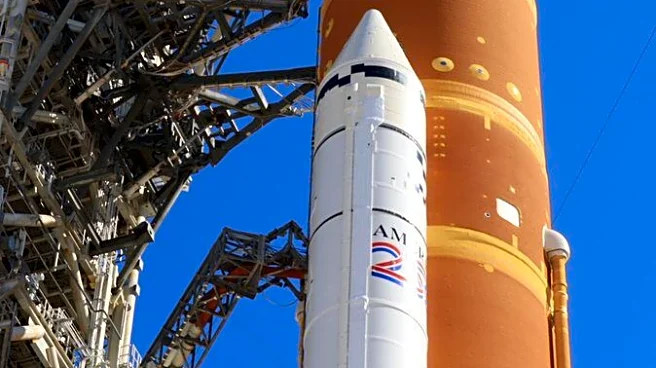
NASA has announced a delay in the Artemis II mission, the first crewed flyby to the moon in over 50 years, due to a helium issue in the rocket's upper stages. Originally scheduled for March, the mission's launch is now potentially set for April. The delay involves
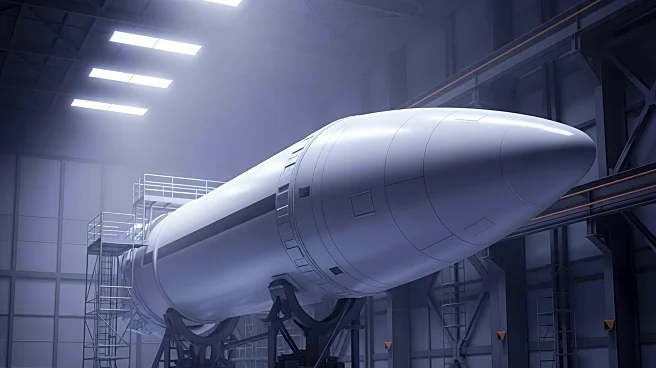
rolling back the rocket to the Vehicle Assembly Building at Kennedy Space Center to address the helium flow problem. This mission is a critical step in NASA's Artemis program, aiming to return humans to the moon and establish a sustainable presence.
Why It's Important?
The delay of Artemis II highlights the technical challenges involved in space exploration and the importance of ensuring mission safety. As a pivotal part of NASA's efforts to return humans to the moon, the mission's success is crucial for future lunar exploration and potential Mars missions. The delay may impact timelines and budgets, affecting stakeholders in the aerospace industry. However, resolving the issue ensures the mission's integrity and the safety of the crew, reinforcing NASA's commitment to meticulous engineering and planning.
What's Next?
NASA will continue troubleshooting the helium issue and prepare for the rocket's rollback to the Vehicle Assembly Building. The agency aims to preserve the April launch window, contingent on successful repairs and testing. The outcome of these efforts will determine the mission's revised schedule and inform future Artemis program activities. Stakeholders, including international partners and commercial entities, will closely monitor developments, as the mission's progress impacts broader lunar exploration goals.