





What's Happening?
The Antarctic krill fishery is experiencing its second consecutive early closure due to the industry reaching its catch limit of 620,000 tonnes. This marks only the second time in history that this specific catch limit has been met. Environmental activists
are actively protesting this development and are calling on the Commission of the Conservation of Antarctic Marine Living Resources (CCAMLR) to take decisive action. These activists plan to demonstrate outside CCAMLR meetings in October, aiming to raise awareness among delegates about the perceived destructive practices of krill fishing vessels in Antarctica. Their objective is to urge the commission to implement stronger protective measures for the Antarctic ecosystem against the krill industry's operations.
Why It's Important?
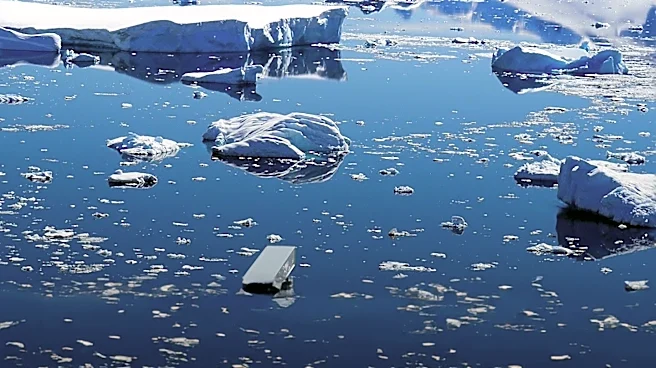
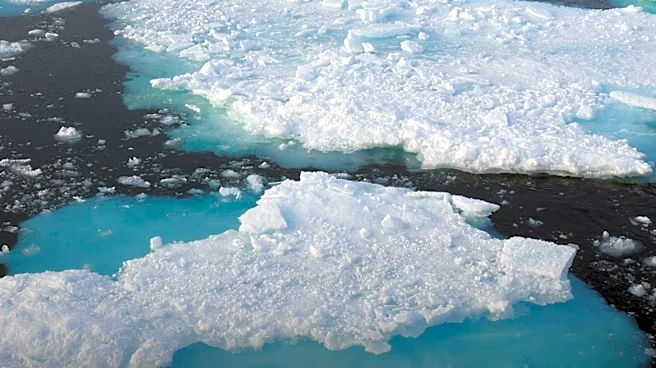
The repeated early closure of the Antarctic krill fishery underscores growing concerns about the sustainability of krill harvesting and its potential impact on the delicate Antarctic marine ecosystem. Krill are a foundational species in the Antarctic food web, serving as a primary food source for whales, seals, penguins, and other marine life. Reaching the catch limit so quickly, especially for a second consecutive year, suggests increasing pressure on krill populations. This situation highlights the tension between commercial fishing interests and environmental conservation efforts. The actions of environmental activists and their direct appeals to CCAMLR delegates indicate a rising demand for stricter regulations and potentially a re-evaluation of current catch limits to safeguard Antarctic biodiversity. The outcome of these discussions could set precedents for international marine resource management.
What's Next?
Environmental activists are scheduled to protest outside the Commission of the Conservation of Antarctic Marine Living Resources (CCAMLR) meetings in October. During these protests, they will directly engage delegates, aiming to remind them of the environmental damage attributed to krill vessels and to advocate for the protection of Antarctica. The CCAMLR will likely face increased pressure to review its current krill fishing regulations and potentially consider new measures to ensure the long-term sustainability of krill populations and the broader Antarctic ecosystem. This could include discussions on reducing catch limits, expanding marine protected areas, or implementing more stringent monitoring and enforcement protocols for fishing vessels operating in the region. The outcome of these deliberations will be crucial for the future of Antarctic conservation.
Beyond the Headlines
The recurring early closure of the Antarctic krill fishery brings to light the broader ethical and ecological considerations surrounding the exploitation of marine resources in vulnerable ecosystems. Beyond the immediate impact on krill populations, the intensive harvesting of this keystone species could have cascading effects throughout the Antarctic food web, potentially jeopardizing the survival of numerous dependent species. This situation also raises questions about the effectiveness of current international conservation frameworks and the balance between economic interests and environmental stewardship. The sustained activism against krill fishing reflects a growing global awareness and demand for more responsible and sustainable practices in resource extraction, particularly in ecologically sensitive areas like Antarctica. The long-term implications could involve a shift towards more precautionary approaches in marine resource management and increased scrutiny of industries operating in polar regions.