


What's Happening?
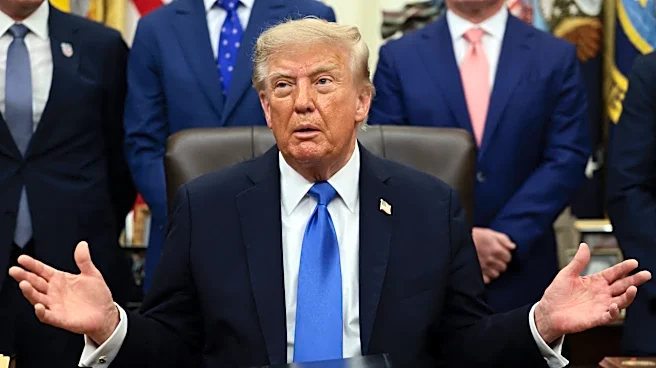
Many Republican candidates are reportedly opting out of President Trump's upcoming midterm convention in Dallas, with a Politico survey indicating that most of the 70 GOP candidates and members interviewed either do not plan to attend or are still considering
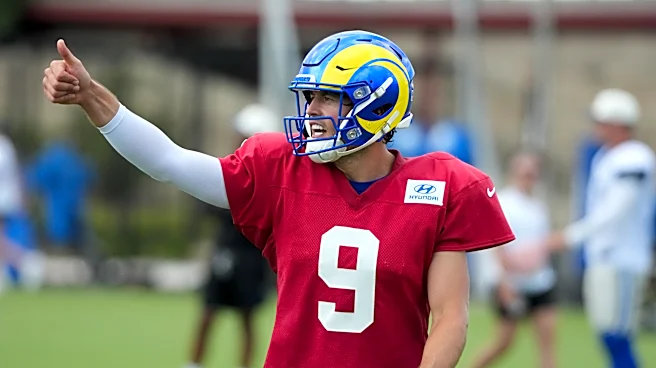
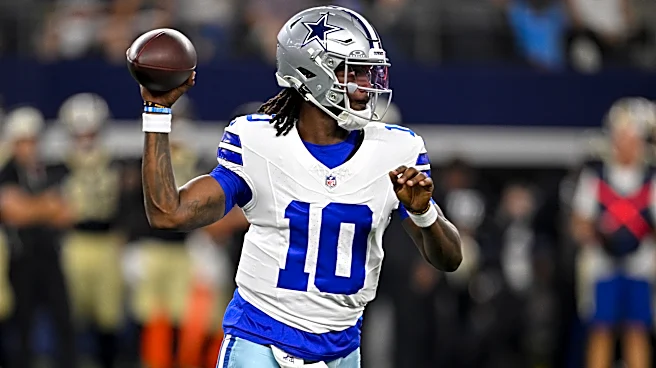
their options. Reasons cited for their absence include prior obligations in their districts, personal events, and the five-figure entry fees required to attend. For example, Rep. Rob Bresnahan (R-Pa.) stated he was 'not sure yet' about attending, while Reps. Zach Nunn (R-Iowa) and Nick LaLota (R-N.Y.) confirmed they would not be present. The convention also conflicts with the first two games of the NFL season, potentially impacting viewership and attendance.
Why It's Important?
The reluctance of numerous Republican candidates to attend President Trump's midterm convention signals a potential shift in the party's dynamics and electoral strategy. Their absence suggests a desire to distance themselves from President Trump, particularly those in competitive re-election races, where his approval ratings might be a liability. The high entry fee for the event also highlights a financial barrier that could deter candidates, especially those with limited campaign funds. This trend could indicate a broader strategic move by some Republicans to focus on local issues and independent voters rather than aligning too closely with the former president, potentially impacting the unity and messaging of the Republican party heading into the midterms.
What's Next?
The low attendance of Republican candidates at President Trump's midterm convention could lead to further speculation about his influence within the party and the effectiveness of his endorsements in the upcoming elections. It may also prompt a re-evaluation of campaign strategies by both President Trump and the Republican National Committee, as they seek to unify the party and maximize electoral success. Candidates who choose to distance themselves might focus more on district-specific campaigns, while those who attend will likely emphasize their loyalty to President Trump. The event's conflict with NFL games also raises questions about the timing and planning of future political rallies, particularly regarding their ability to capture public attention.
Beyond the Headlines
The reported reluctance of Republican candidates to attend President Trump's midterm convention delves into the complex interplay between party loyalty, individual political survival, and the evolving landscape of American politics. It suggests that while President Trump remains a significant figure, his influence may be waning among some segments of the Republican party, particularly those facing tough re-election battles. This situation could lead to a more fragmented Republican party, with candidates prioritizing their local constituencies over national party figures. The high cost of attendance also raises ethical questions about campaign finance and the potential for financial barriers to influence political participation, highlighting the broader challenges of maintaining party cohesion and electoral effectiveness in a diverse political environment.