




What's Happening?
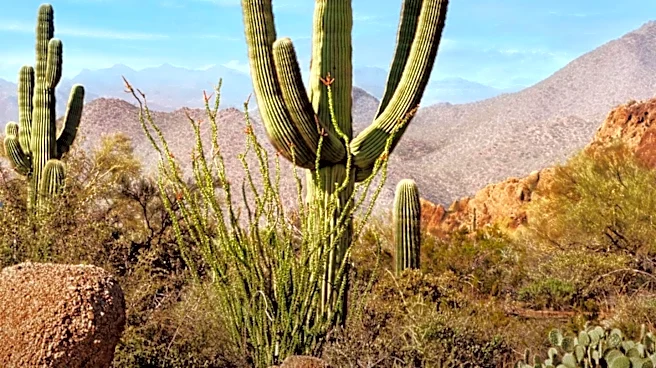
A new study published in the journal Nature, reported by RMF24, forecasts that up to 30% of cactus species could face extinction by the end of the century due to increasingly prolonged and severe droughts. Despite cacti's natural adaptation to arid climates,
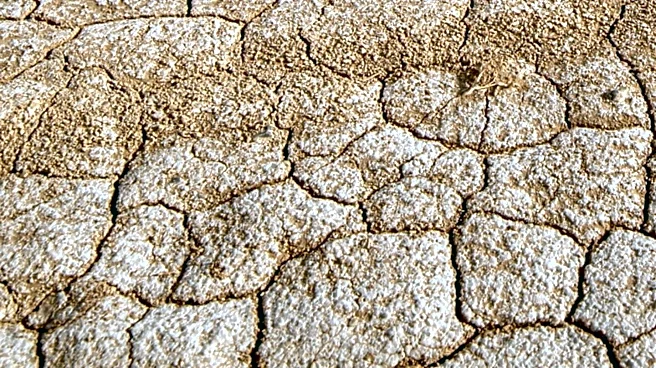
rapid climate change poses a significant threat. Pablo Guerrero Martín of the University of Concepción in Chile noted that growing evidence indicates cacti are not immune to climate change impacts. The study analyzed over 688,000 cactus observations and projected outcomes for 993 species. Models that accounted for extreme droughts showed that the suitable habitat range would shrink for 66% of the species, compared to 55% in models that did not consider severe droughts. High temperatures exacerbate the problem by accelerating soil drying and increasing plants' water needs.
Why It's Important?
The potential extinction of up to 30% of cactus species represents a significant loss of biodiversity, particularly in the Americas where most of these plants grow. Cacti play crucial roles in their ecosystems, providing food and habitat for various wildlife, and their decline could trigger cascading effects throughout these environments. This forecast highlights the severe and often underestimated impact of climate change, especially extreme weather events like prolonged droughts, on even the most resilient plant species. For the U.S., where many cactus species are native, this could mean significant ecological shifts in arid and semi-arid regions, affecting local flora and fauna, and potentially impacting indigenous cultures that rely on these plants. The study underscores the urgency of addressing climate change to protect global biodiversity.
What's Next?
Scientists will likely continue to monitor cactus populations and refine climate models to better predict future impacts. Conservation efforts may intensify, focusing on protecting existing habitats, establishing seed banks, and potentially relocating vulnerable species to more favorable climates, though the study notes that even with a 100-kilometer spread, many species remain at risk. Policy discussions around climate change mitigation and adaptation strategies will gain further urgency, with a focus on reducing greenhouse gas emissions to curb the severity and frequency of droughts. Public awareness campaigns about the plight of cacti and the broader implications of climate change on biodiversity may also increase, aiming to garner support for conservation initiatives.
Beyond the Headlines
The vulnerability of cacti, often seen as symbols of resilience in harsh environments, serves as a stark indicator of the pervasive and far-reaching effects of climate change. This situation highlights the limitations of species' adaptive capacities when environmental changes occur too rapidly and intensely. Beyond ecological concerns, the potential loss of cactus species also has cultural implications, particularly for indigenous communities in the Americas that have long-standing relationships with these plants for food, medicine, and spiritual practices. The study implicitly calls for a re-evaluation of conservation strategies, emphasizing the need to consider extreme weather events rather than just average climate shifts. It underscores that even seemingly robust ecosystems are fragile in the face of unprecedented environmental pressures, urging a more holistic and proactive approach to global environmental stewardship.