






What's Happening?
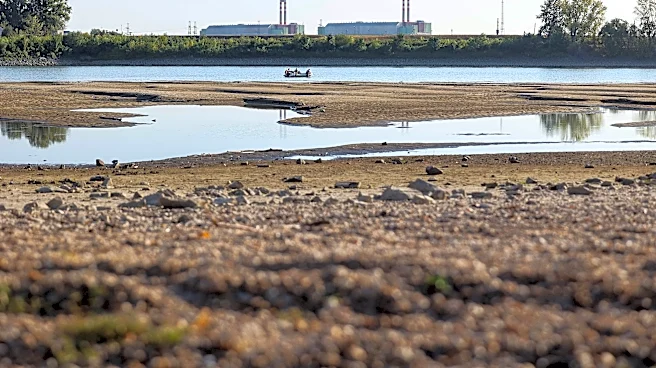
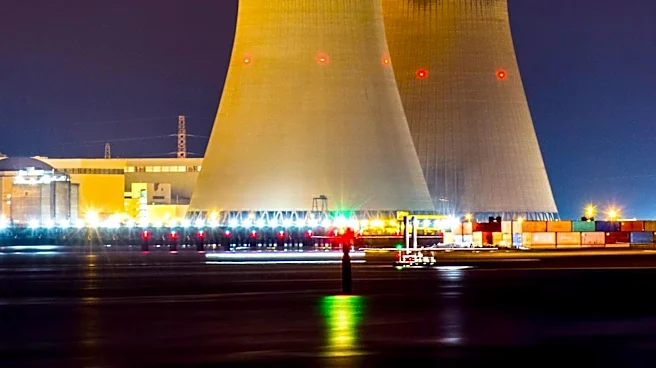
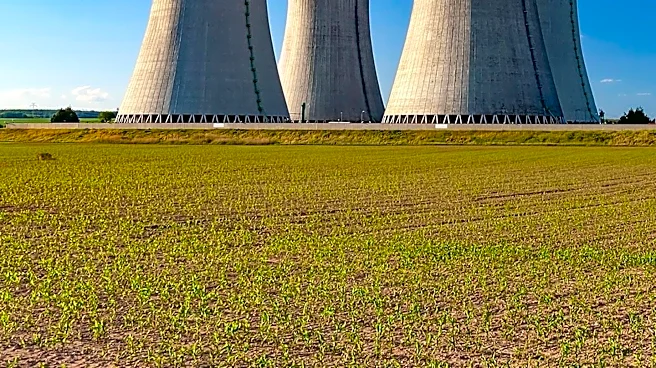
Hungary has announced the shutdown of its only nuclear power plant, the Paks Nuclear Power Plant, due to record-low water levels in the Danube River, which are insufficient for cooling the plant's reactors. Prime Minister Peter Magyar stated that the plant, which provides
nearly half of Hungary's electricity, will be powered down for the first time in its 44-year history. The plant's output had already decreased significantly, dropping from a normal 2,000 megawatts to just 240 megawatts. The Danube's water level at Paks has fallen to minus 134cm, necessitating the shutdown, with levels expected to drop further. This situation is part of a broader climate crisis affecting Europe, with heatwaves and droughts impacting multiple sectors, including shipping, tourism, agriculture, and industry.
Why It's Important?
The shutdown of the Paks Nuclear Power Plant is a significant development for Hungary's energy sector, as the plant is a critical source of electricity for the country. The reduction in power supply could lead to increased energy costs and potential shortages, affecting both residential and industrial consumers. This event highlights the vulnerability of energy infrastructure to climate change, as extreme weather conditions become more frequent and severe. The situation also underscores the need for countries to diversify their energy sources and invest in climate-resilient infrastructure. Additionally, the shutdown may prompt regional cooperation, as neighboring countries like Slovakia monitor the situation and consider offering assistance.
What's Next?
In response to the shutdown, Hungary may need to explore alternative energy sources to compensate for the loss of nuclear power. This could involve increasing reliance on fossil fuels, which may conflict with environmental goals, or accelerating investments in renewable energy. The government may also implement energy-saving measures and encourage water conservation to mitigate the impact of the drought. On a broader scale, this event could influence European energy policy, prompting discussions on climate adaptation strategies and cross-border energy cooperation. Stakeholders, including policymakers and energy companies, will likely assess the long-term implications for energy security and climate resilience.
Beyond the Headlines
The shutdown of the Paks Nuclear Power Plant due to drought conditions raises important questions about the sustainability of nuclear energy in the face of climate change. As water scarcity becomes more common, nuclear plants that rely on water for cooling may face operational challenges. This situation highlights the need for innovative solutions, such as developing alternative cooling technologies or integrating more flexible energy systems. Furthermore, the event may influence public perception of nuclear energy, potentially affecting future energy policy decisions. It also emphasizes the interconnectedness of environmental and energy issues, reinforcing the importance of comprehensive climate action.