


What's Happening?
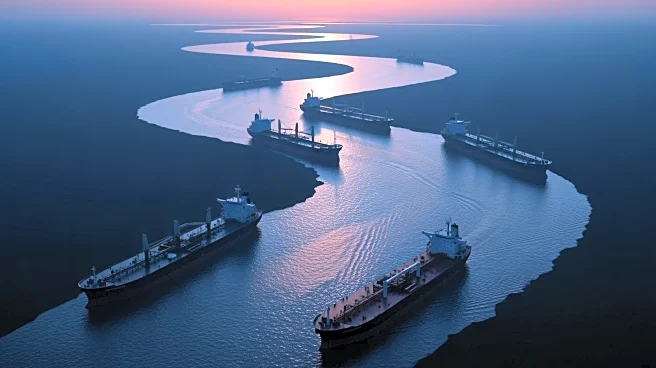
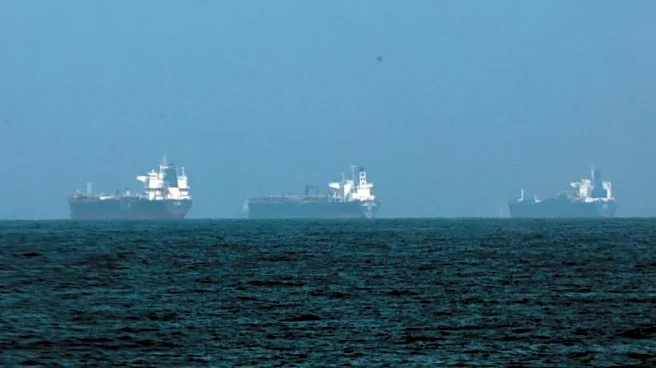
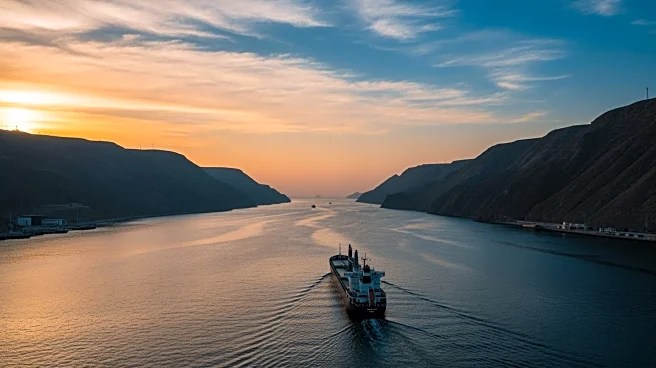
Kuwait has announced a reduction in oil production due to threats from Iran that have halted tanker transit through the Strait of Hormuz. This strategic waterway is crucial for global oil exports, and its closure has led to a significant disruption in energy
supplies. Kuwait, a major oil producer within OPEC, has taken this precautionary measure as part of a broader regional response to the escalating U.S.-Iran conflict. The situation has caused oil prices to surge, with U.S. crude experiencing its largest weekly gain since 1983. The conflict has also impacted natural gas supplies, with Qatar halting liquefied natural gas production due to Iranian attacks.
Why It's Important?
The closure of the Strait of Hormuz and the subsequent reduction in oil production by Kuwait and other Gulf countries have far-reaching implications for the global energy market. The strait is a vital passage for about 20% of the world's oil consumption, and its closure exacerbates supply shortages, driving up prices. This situation highlights the geopolitical risks associated with energy supply routes and the potential for significant economic disruptions. The increase in oil prices affects global markets, with potential inflationary impacts and increased costs for consumers and industries reliant on energy.
What's Next?
If the conflict persists, Gulf countries may exhaust their storage capacities, leading to further production cuts and potentially pushing oil prices above $100 per barrel. The international community is likely to seek diplomatic solutions to reopen the Strait of Hormuz and stabilize energy markets. However, the situation remains uncertain, with potential for further escalation or resolution. Energy stakeholders will need to adapt to these changes, considering alternative supply routes and energy sources to mitigate risks.