
What's Happening?
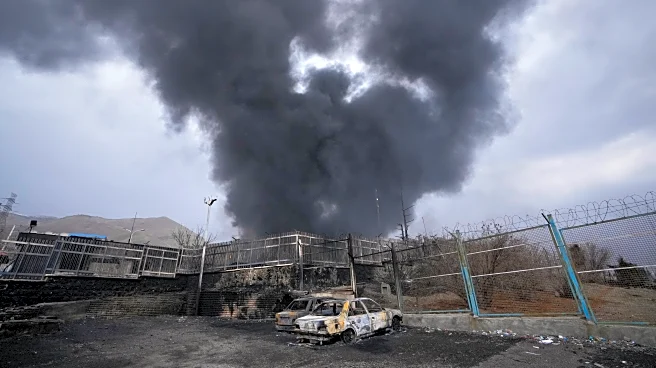
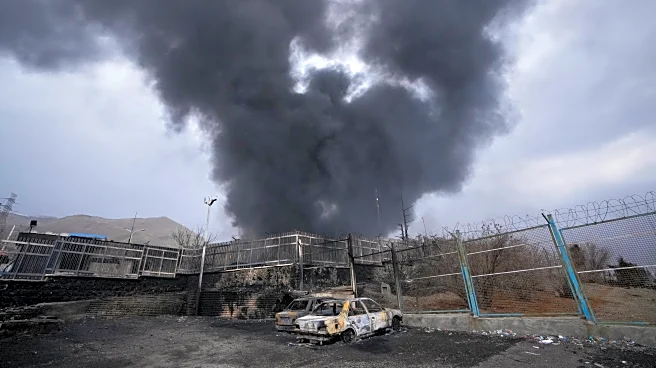
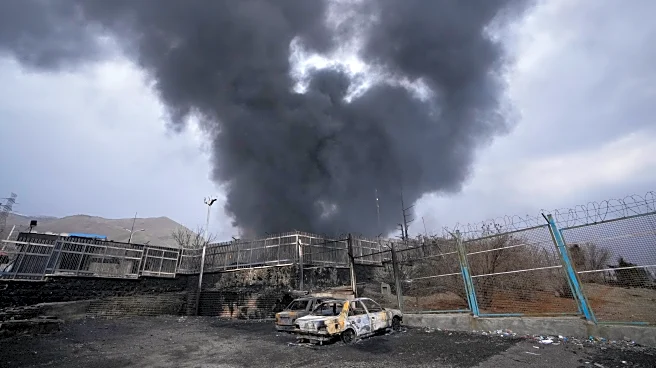
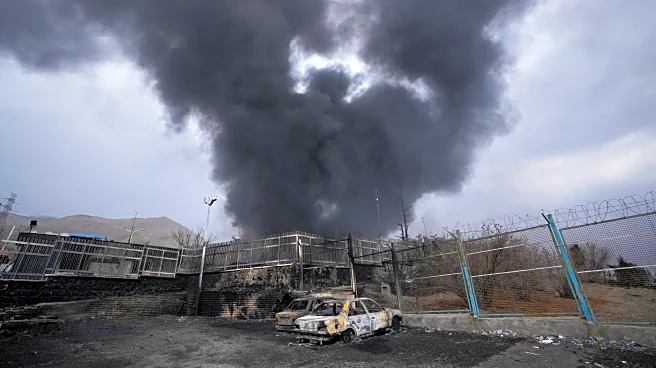
Iran has issued a warning that oil prices could surge to $200 per barrel if the ongoing conflict involving the U.S. and Israel continues to destabilize the Middle East's energy corridors. The Strait of Hormuz, a crucial passage for global oil supply,
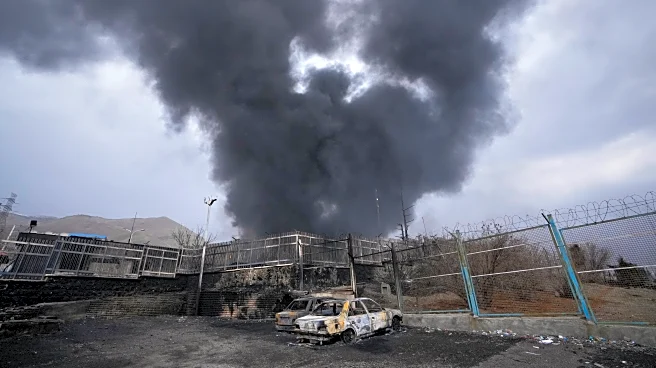
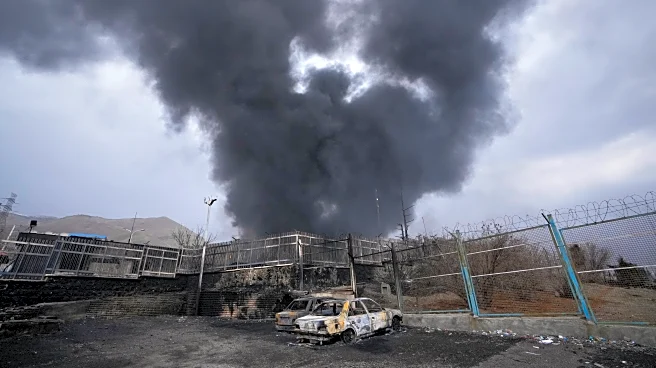
is at the center of this escalating conflict. Iran has stated that no oil shipments will be allowed through the strait until the attacks cease. This has already caused oil prices to fluctuate, with Brent crude reaching $120 per barrel earlier this week. The situation remains tense as security incidents in the Persian Gulf increase.
Why It's Important?
The Strait of Hormuz is a vital artery for the global oil supply, handling about 20% of the world's oil. Any disruption in this region could lead to significant economic consequences, including skyrocketing oil prices and potential shortages. The threat of $200 per barrel oil could have a ripple effect on global economies, increasing costs for consumers and businesses alike. This situation highlights the vulnerability of global energy markets to geopolitical tensions and the need for diversified energy sources.
What's Next?
As the conflict continues, the risk of further disruptions in the Strait of Hormuz remains high. Energy analysts suggest that the situation could evolve into a direct confrontation over the Middle East's oil supply network. International efforts may be required to de-escalate tensions and ensure the safe passage of oil shipments. The global community will likely keep a close watch on developments, as any escalation could have profound impacts on energy security and economic stability.