

What's Happening?
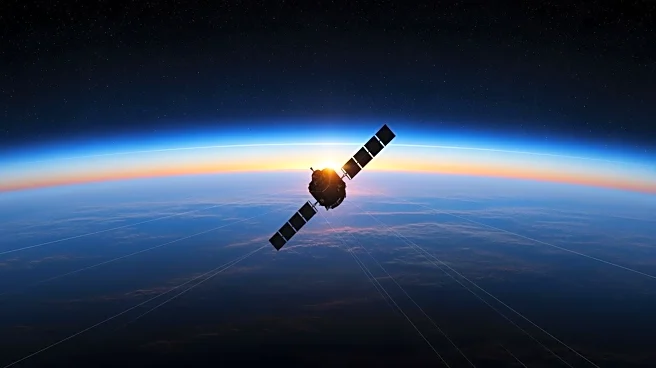
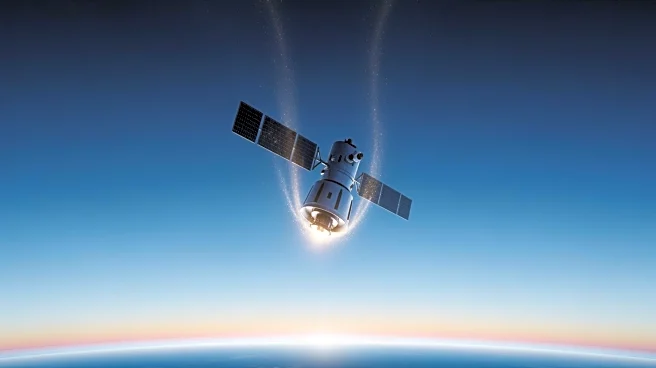
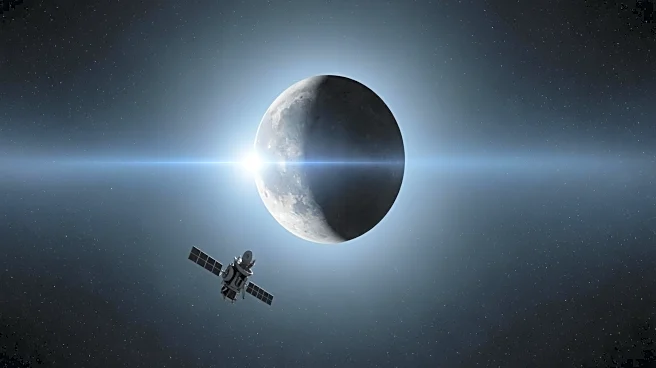
A NASA satellite, known as Van Allen Probe A, reentered Earth's atmosphere over the eastern Pacific Ocean on March 11, 2026, after nearly 14 years in orbit. The satellite, weighing 1,323 pounds, was launched in August 2012 alongside its twin, Van Allen Probe B,
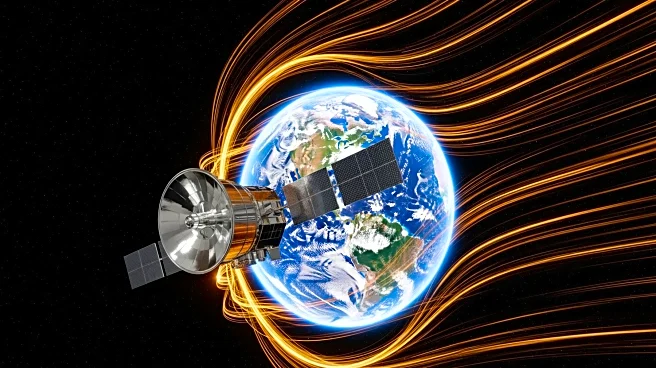
to study Earth's radiation belts. Both probes were deactivated in 2019, and Van Allen Probe A has now completed its mission. The reentry occurred at 6:37 a.m. EDT, marking the end of its operational life. The Van Allen Probes were instrumental in providing valuable data on the radiation belts, contributing to a better understanding of space weather and its effects on satellite operations and communications.
Why It's Important?
The reentry of Van Allen Probe A signifies the conclusion of a significant scientific mission that has enhanced our understanding of Earth's radiation belts. These belts can affect satellite operations, GPS systems, and communications, making the data collected by the probes crucial for developing strategies to mitigate space weather impacts. The mission's findings have implications for the design and operation of future satellites, ensuring they can withstand the harsh conditions of space. Additionally, the successful reentry demonstrates NASA's ability to manage the end-of-life phase of its satellites, reducing space debris and potential hazards to other spacecraft.