




What's Happening?
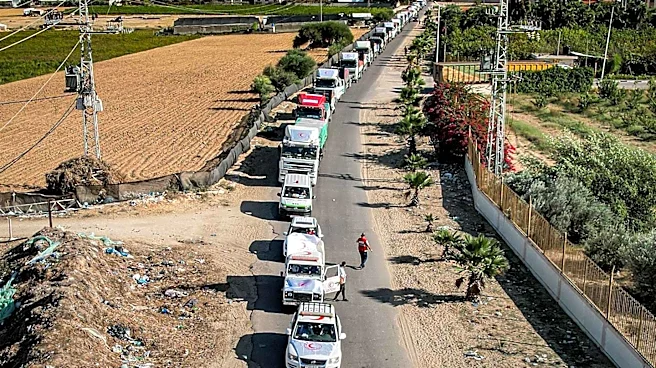
The United Nations Development Programme (UNDP) has been actively engaged in supporting emergency employment opportunities, women-led businesses, and housing projects in Gaza since October 2023. These initiatives are part of UNDP’s Gaza Neighbourhood
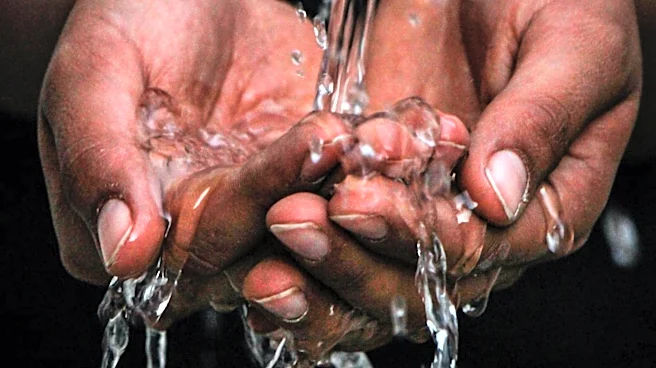
Approach, which integrates shelter, essential services, and livelihood opportunities to help communities regain basic functionality. For instance, UNDP has supported 6,000 emergency employment opportunities and assisted 30 women-led businesses, including Nidaa, who raises and sells poultry, and Hanaa, who restarted a dairy business after significant personal loss. The Programme of Assistance to the Palestinian People (PAPP) provides grants, equipment, and skills development to micro, small, and medium enterprises. The REVIVE housing project has also contributed to building homes for displaced Palestinians. Despite these efforts, significant challenges persist, such as the need for winter shelter, access to safe water, and limited food ingredients for livestock, as highlighted by individuals like Nidaa.
Why It's Important?
These UNDP initiatives are crucial for sustaining livelihoods and fostering recovery in Gaza, where productive capacity has been severely damaged, markets disrupted, and the cost of basic goods has sharply risen. By supporting women-led businesses, UNDP not only provides individual livelihoods but also helps preserve local productive capacity, generate income, and keep economic activity rooted within Palestinian communities. This approach lays a foundation for locally driven recovery, which is vital in a region facing continuous uncertainty and displacement. The provision of grants, equipment, and training empowers entrepreneurs to adapt and grow their businesses, contributing to economic resilience. The focus on essential services like shelter and water addresses immediate humanitarian needs, while vocational training in fields like carpentry offers new pathways for income generation, especially given the destruction of infrastructure during the conflict.
What's Next?
UNDP's ongoing efforts will likely continue to focus on expanding opportunities for inclusion and self-reliance within Gaza. The organization aims to further support women entrepreneurs by ensuring access to finance and skills, and by working to establish reliable energy and water systems, functioning markets, and access to necessary equipment and materials. The goal is to enable businesses to sustain and grow, thereby reducing long-term dependency on humanitarian assistance. Future initiatives may also include expanding vocational training programs to equip more individuals with new skills relevant to the rebuilding efforts and local needs. The success of these programs will depend on continued funding and the ability to overcome persistent challenges such as access restrictions and the need for basic resources like shelter and safe water, particularly as winter approaches.
Beyond the Headlines
The UNDP's work in Gaza highlights the broader implications of conflict on economic stability and social structures, particularly for vulnerable populations like women. By empowering women through business support and skills training, UNDP addresses not only immediate economic needs but also promotes gender equality and resilience within the community. The emphasis on local productive capacity and locally driven recovery underscores a long-term strategy that aims to rebuild self-sufficiency rather than foster perpetual aid dependency. This approach also implicitly acknowledges the psychological and social impact of conflict, as individuals like Hanaa find strength and purpose in rebuilding their lives and supporting their families and communities. The challenges faced by these entrepreneurs, such as power interruptions affecting dairy production, also shed light on the critical need for robust infrastructure development as a prerequisite for sustainable economic recovery.