







What's Happening?
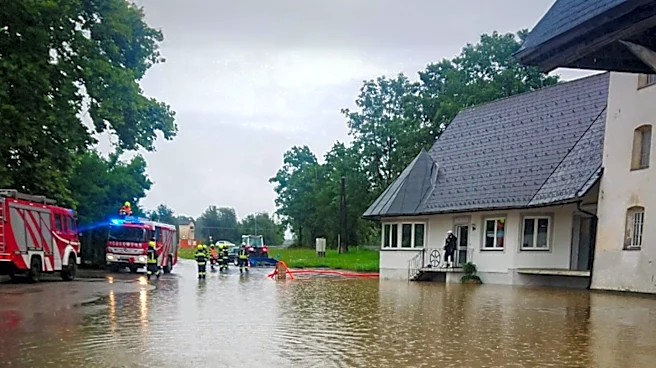
Catastrophic flash floods in Texas have resulted in the deaths of two individuals and necessitated the rescue of hundreds, according to Governor Greg Abbott. The floods, which have affected areas still recovering from last year's devastating floods, have been
exacerbated by continuous heavy rainfall. Rescuers have been deployed using boats and helicopters to save stranded individuals, including drivers and those trapped in homes. The National Weather Service has issued warnings as rivers, such as the Guadalupe, have risen significantly, with some areas experiencing a rise of over 30 feet. The hardest-hit regions are expected to receive more rain, posing further risks. The floods have prompted the deployment of over 2,000 first responders, and some evacuations were initiated before the worst of the flooding occurred.
Why It's Important?
The flooding in Texas highlights the ongoing vulnerability of regions to extreme weather events, particularly in areas with a history of such disasters. The impact on local communities is significant, with potential long-term economic and infrastructural challenges. The response efforts underscore the importance of preparedness and timely warnings in mitigating the effects of natural disasters. The situation also raises questions about climate resilience and the need for improved infrastructure to handle such events. The loss of life and property damage could have lasting effects on the affected communities, emphasizing the need for comprehensive disaster management strategies.
What's Next?
As the situation develops, continued monitoring and response efforts are crucial. Authorities are likely to focus on ensuring the safety of residents and preventing further casualties. The deployment of additional resources and personnel may be necessary to manage the ongoing crisis. In the aftermath, there will be a need for recovery and rebuilding efforts, which could involve federal and state assistance. The event may also prompt discussions on improving flood management infrastructure and emergency response systems to better prepare for future incidents.