








What's Happening?
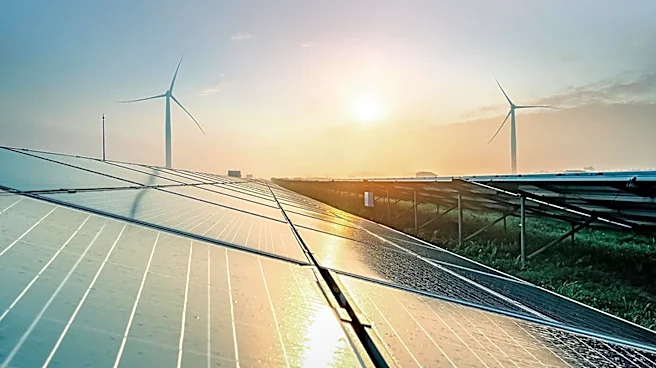
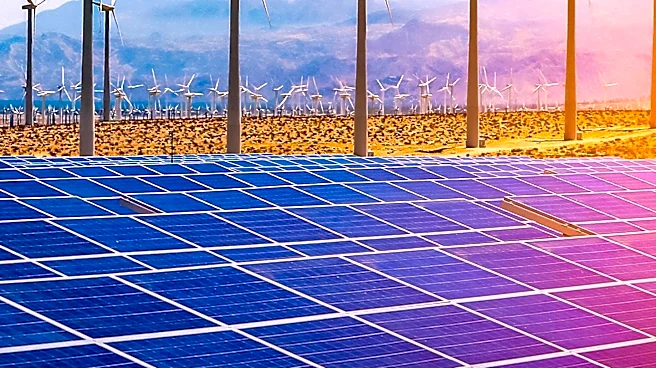
The International Renewable Energy Agency (IRENA) has released its Renewable Energy Statistics 2026, revealing a significant increase in renewable electricity generation. In 2024, renewables accounted for 31.7% of global electricity generation, totaling
9836 terawatt hours. This marks a 9.8% growth from the previous year, outpacing non-renewables, which grew by only 1.4%. The data underscores a global shift towards renewable energy, with solar and wind power leading the charge. Asia, Europe, and North America have shown substantial increases in renewable output, with Asia producing the highest at 4589 TWh. The report aligns with the incoming COP31 Presidency of Türkiye's goal to achieve a 35% global electrification target by 2035, necessitating a significant increase in renewable energy share.
Why It's Important?
The rapid growth in renewable energy is crucial for global efforts to combat climate change and reduce reliance on fossil fuels. The shift towards renewables is driven by their decreasing costs and the need for energy security and resilience. This transition is expected to have significant economic implications, potentially reducing energy costs and creating new jobs in the renewable sector. However, the report also highlights the need for continued investment and support, particularly for vulnerable nations that require assistance to transition to clean energy. The data serves as a call to action for governments and industries to accelerate the adoption of renewable technologies.
What's Next?
The report suggests that achieving the global electrification target will require renewables to increase their share in electricity generation to 78% by 2035. This will involve expanding renewable capacity at an unprecedented pace, necessitating policy support, investment in infrastructure, and international cooperation. The upcoming COP31 conference will likely focus on strategies to support this transition, including financial mechanisms to aid developing countries. Stakeholders in the energy sector will need to adapt to this changing landscape, with potential shifts in market dynamics and investment priorities.