




What's Happening?
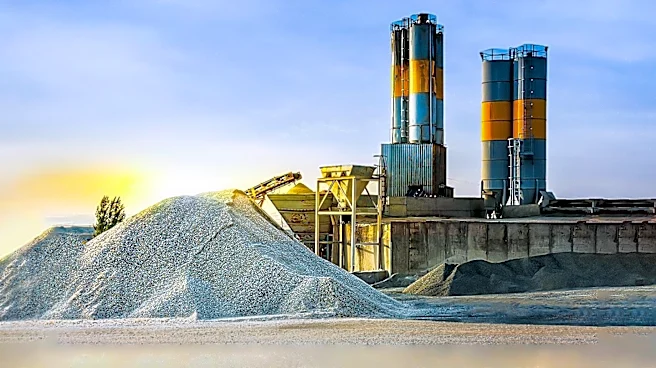
The United Nations Environment Programme (UNEP) has reported that humanity consumes approximately 50 billion tonnes of sand and gravel annually, making it the most used resource after water. This massive consumption is primarily driven by the construction
industry, which uses sand and gravel in concrete, asphalt, roads, and foundations. Despite the abundance of sand in deserts, most wind-blown desert sand is too fine and rounded for use in strong concrete, leading cities like Dubai to rely on processed, quarried, or imported materials. UNEP highlights the environmental impact of sand extraction, noting that it can destabilize ecosystems and lead to issues such as coastal erosion and groundwater depletion.
Why It's Important?
The report underscores the environmental and economic challenges posed by the high demand for sand and gravel. As construction continues to grow globally, the pressure on natural resources increases, leading to potential ecological damage. The reliance on sand from rivers, coasts, and marine environments can disrupt natural processes and harm biodiversity. UNEP's findings highlight the need for sustainable practices in the construction industry, including the use of recycled materials and alternative aggregates, to mitigate environmental impacts and ensure resource availability for future generations.
Beyond the Headlines
The report also points to the need for improved regulation and monitoring of sand extraction activities to prevent illegal mining and ensure sustainable practices. The development of new technologies and materials, such as 'ore-sand' from mineral-processing residues, offers potential solutions to reduce reliance on natural sand sources. Additionally, the report calls for international cooperation to address the global nature of sand consumption and its environmental implications.