






What's Happening?
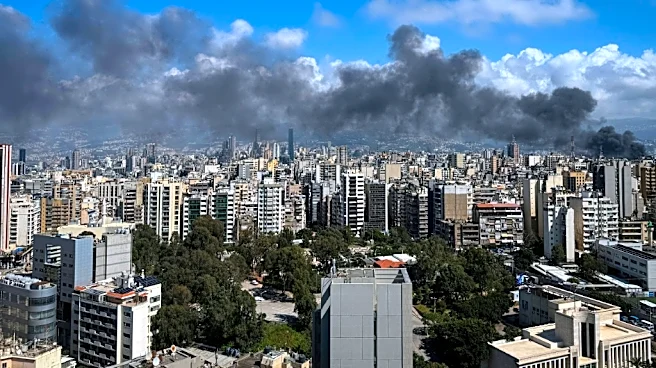
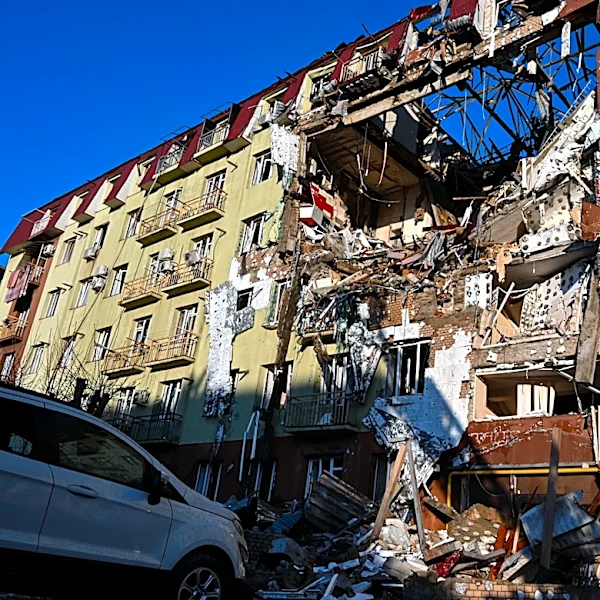
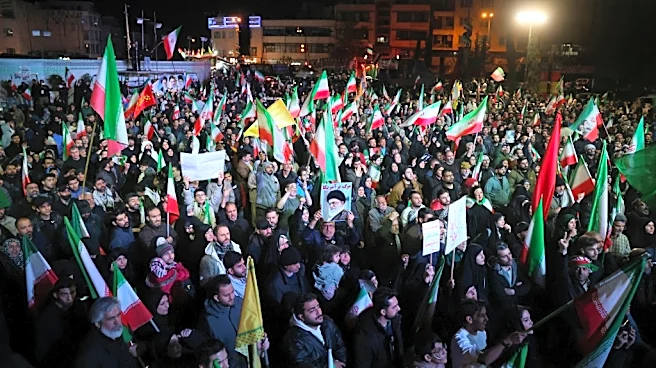
The recent ceasefire in the conflict involving Iran, the US, and Israel has led to widespread confusion due to the rapid dissemination of information. The ceasefire, intended to provide clarity, has instead raised questions about the conflict's status
and the strategic objectives of the involved parties. The information environment, characterized by instantaneous news and delayed context, complicates public understanding and decision-making. Iran's ability to control narratives and operate on a different strategic timeline gives it an advantage over democratic societies, which must navigate complex information ecosystems.
Why It's Important?
The situation underscores the challenges faced by democratic societies in managing public perception and strategic communication during conflicts. The rapid flow of information can lead to misinterpretations and fragmented realities, affecting public opinion and policy decisions. Iran's control over information allows it to prolong conflicts and create economic and political pressures on its adversaries. This dynamic highlights the need for strategic patience and adaptability in democratic leadership to maintain stability and achieve long-term objectives.
Beyond the Headlines
The informational challenges in modern conflicts reflect broader shifts in how wars are perceived and judged. The collapse of clarity in public discourse can undermine democratic processes and strategic decision-making. Recognizing and addressing these challenges is crucial for maintaining effective governance and international relations in an increasingly complex global environment.