





What's Happening?
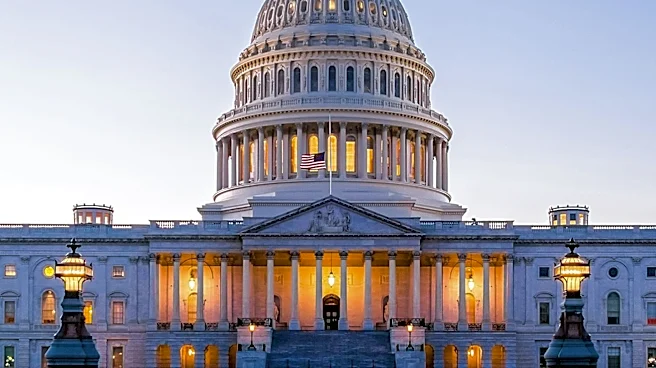
Five House members from both Republican and Democratic parties have introduced H.R. 9097, known as the American Manufacturing Revitalization Exchange Program Act. This bipartisan bill aims to establish an exchange program within the State Department.
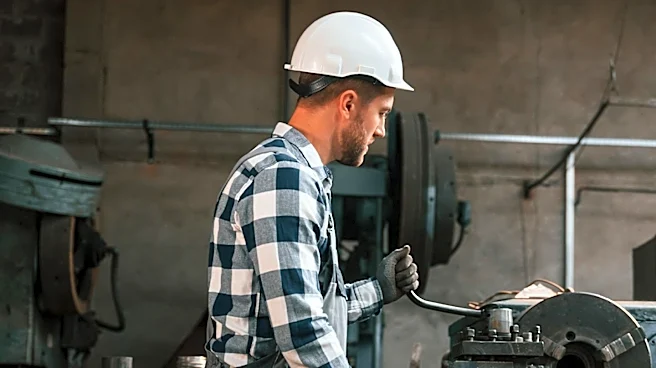
The program's purpose is to send eligible American manufacturing professionals abroad for specialized training and certifications. The initiative seeks to address an anticipated significant labor shortage in the U.S. manufacturing sector. Supporters of the bill, as quoted in the press release, believe this program will help train technicians, machinists, engineers, and production specialists, thereby strengthening domestic manufacturing and potentially encouraging the reshoring of production. Several organizations, including the National Association of Manufacturers, United Steelworkers, and IEEE-USA, have voiced their support for the measure, emphasizing its potential to expand hands-on training, build essential skills, and foster stronger ties with allied nations.
Why It's Important?
This legislative effort is crucial for the U.S. manufacturing industry, which faces projections of a substantial future labor shortage. By creating an international exchange program, the bill directly addresses the need for advanced skills and specialized training among American workers. This initiative could significantly enhance the competitiveness of U.S. manufacturing on a global scale by ensuring a highly skilled workforce. For industries, it means a potential pipeline of trained professionals capable of handling complex manufacturing processes, which is vital for innovation and efficiency. Economically, strengthening the manufacturing sector through a skilled workforce can lead to job creation, increased domestic production, and reduced reliance on foreign supply chains. This could also have broader implications for national security by bolstering the industrial base. The bipartisan support for the bill underscores a shared recognition of the strategic importance of a robust manufacturing sector for the nation's economic stability and growth.
What's Next?
The American Manufacturing Revitalization Exchange Program Act (H.R. 9097) will now proceed through the legislative process in the House of Representatives. It will likely undergo committee review, where further discussions, amendments, and potential hearings will take place. Given the bipartisan introduction and the support from various industry and labor organizations, the bill has a reasonable chance of advancing. If it passes the House, it will then move to the Senate for consideration. Stakeholders, including manufacturing companies, labor unions, and educational institutions, will likely continue to advocate for its passage, highlighting the benefits of workforce development and international collaboration. The State Department would be tasked with developing the framework and implementation details for the exchange program if the bill becomes law, which would involve establishing partnerships with international entities and setting criteria for participant eligibility.
Beyond the Headlines
Beyond its immediate goal of addressing workforce shortages, this bill signifies a broader strategic shift towards investing in human capital as a cornerstone of national economic policy. The emphasis on international exchange for manufacturing skills suggests an acknowledgment that global best practices and advanced techniques are critical for maintaining a competitive edge. This approach could foster deeper international cooperation in industrial development and technology transfer, potentially leading to new alliances and shared innovation. Ethically, it promotes the idea of lifelong learning and continuous skill development, which is essential in a rapidly evolving technological landscape. Culturally, it could encourage a renewed appreciation for vocational and technical trades, elevating their status as vital professions. The long-term impact could be a more resilient and adaptable U.S. manufacturing sector, better equipped to navigate future economic challenges and technological disruptions, and a workforce that is globally aware and highly skilled.