



What's Happening?
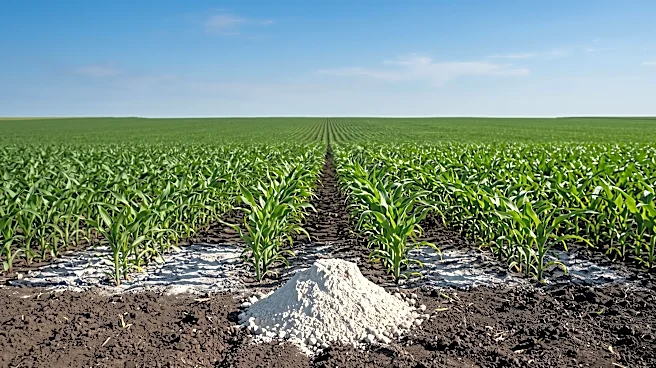
Amidst a summer marked by food recalls and increasing grocery costs, Guy Kilpatric, farm manager at the University of Maryland's Terp Farm, is encouraging individuals to engage in fall planting. Terp Farm, which supplies vegetables to student cafeterias
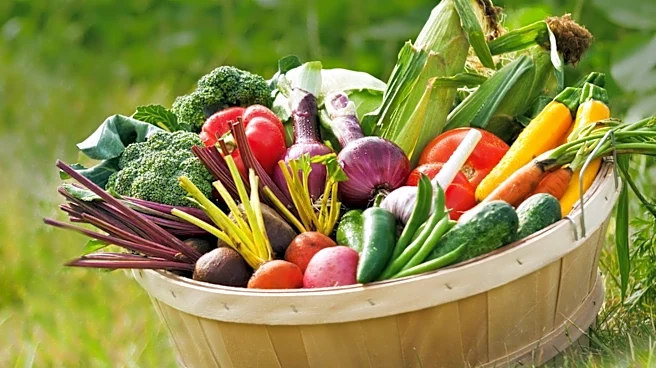
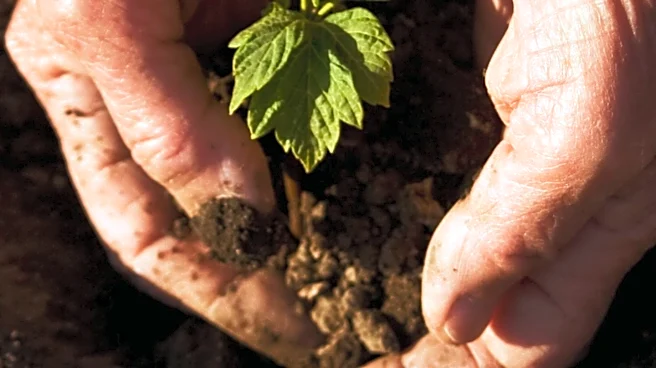
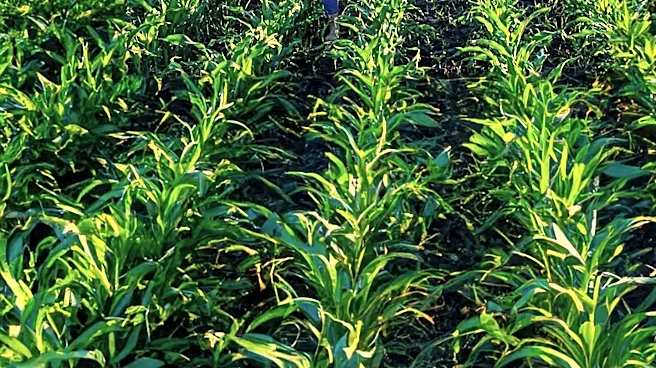
and the campus food bank, is currently planting cold-adapted crops such as broccoli, collard greens, beets, radishes, and Swiss chard. These crops are designed to be harvested throughout the remainder of the semester. Kilpatric highlights Swiss chard as a particularly nutritious and easy-to-grow leafy green that tolerates cool weather and can provide harvests for months. Additionally, he emphasizes garlic as one of the easiest crops to grow, with the ideal planting time being now for a harvest by next summer. The initiative aims to empower individuals to take more control over their food supply and enjoy the benefits of home gardening.
Why It's Important?
This initiative from the University of Maryland's Terp Farm is important because it addresses growing concerns about food security and the rising cost of groceries in the U.S. By promoting home gardening, particularly fall planting, it offers a practical solution for individuals to mitigate the impact of food recalls and economic pressures on their household budgets. The emphasis on cold-tolerant and easy-to-grow crops like Swiss chard and garlic makes gardening accessible to a wider audience, including those with limited space, such as deck gardens. This approach not only provides fresh, healthy produce but also fosters a sense of self-sufficiency and satisfaction. For the broader society, increased home gardening could potentially reduce reliance on commercial food supply chains, which have shown vulnerabilities through recent recalls, and contribute to more resilient local food systems.
What's Next?
The University of Maryland's Terp Farm will continue to harvest fall crops like sweet potatoes and carrots, while also finishing up heartier summer vegetables. Students, such as Hannah Camacho, a bioengineering student interested in sustainable farming, are actively involved in these harvesting efforts. Kilpatric anticipates that the newly planted cold-tolerant crops will be harvested throughout the fall semester and potentially into the summer, providing a continuous supply of fresh produce. The farm's ongoing efforts will likely serve as a model for other educational institutions and community programs looking to promote sustainable and accessible food production. Individuals inspired by this initiative may begin planting their own fall gardens, potentially leading to a broader adoption of home gardening practices across the U.S. as a response to food system challenges.
Beyond the Headlines
Beyond the immediate benefits of fresh produce and cost savings, the promotion of fall planting by Terp Farm touches upon deeper societal and environmental implications. It encourages a reconnection with food sources and an understanding of agricultural cycles, which can be lost in a highly industrialized food system. The satisfaction derived from growing one's own food, as noted by Kilpatric, highlights the psychological and community benefits of gardening. Furthermore, by advocating for crops that are adaptable to local climates and can be grown in smaller spaces, the initiative subtly promotes sustainable farming practices and reduces the carbon footprint associated with long-distance food transportation. This movement towards localized food production could foster greater food resilience and community engagement, shifting consumer mindsets towards more sustainable and self-reliant living.