




What's Happening?
California has issued a screwworm quarantine order, effective June 12, requiring dogs entering the state from Mexico to comply with federal regulations and obtain a California entry permit within five days prior to crossing. This measure comes as New
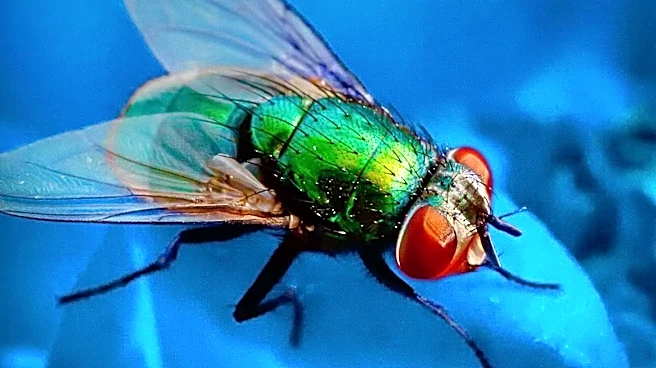
World screwworm (NWS) infestations continue to rise, with 54 cases reported in November alone across Texas, New Mexico, and Arizona. The NWS fly lays eggs in wounds, and its maggots consume living flesh, primarily affecting livestock but also posing a risk to dogs, cats, and humans. Mexico has also implemented its own requirements, mandating a screwworm inspection certificate for pet dogs entering from the United States since August 3, 2026. The U.S. Department of Agriculture’s Animal and Plant Health Inspection Service (APHIS) has considered Mexico affected by screwworm since November 22, 2024, necessitating a certificate from a Mexican veterinarian for dogs returning to the U.S. from Mexico.
Why It's Important?
The escalating New World screwworm infestation poses a significant threat to U.S. livestock and companion animals, potentially impacting agricultural economies and public health. The implementation of stringent quarantine measures by California and Mexico highlights the cross-border nature of this biological threat and the need for coordinated efforts. For pet owners, these new regulations introduce additional logistical and financial burdens, requiring multiple veterinary visits and permits for international travel with their dogs. The economic impact extends to ranchers, who are already incurring costs for preventative measures like repellent sprays, as seen in Starr County, Texas. The spread of NWS could lead to increased veterinary expenses, livestock losses, and disruptions in animal trade, underscoring the importance of early detection and containment strategies.
What's Next?
Pet owners planning to travel with dogs between California and Mexico will need to meticulously adhere to the new permit and inspection requirements from both U.S. and Mexican authorities. This includes obtaining a USDA-accredited vet certificate for entry into Mexico and a Mexican government vet certificate for re-entry into the U.S., along with California's specific entry permit. The California Department of Food and Agriculture (CDFA) requires permit requests at least 48 to 72 hours in advance. Upon returning to California, dog owners are required to inspect their pets within 12 hours of arrival for signs of screwworm and report any findings to the state within 24 hours. Continued monitoring and control efforts, including the deployment of sterile flies by the USDA, will be crucial in managing the spread of the infestation.
Beyond the Headlines
The New World screwworm outbreak underscores the vulnerability of agricultural and animal health systems to invasive species, particularly in interconnected border regions. The requirement for multiple certifications and inspections reflects a complex interplay of federal, state, and international regulations designed to mitigate biological risks. This situation also highlights the broader implications of climate and environmental changes on disease vectors, as warmer temperatures can facilitate the spread of such pests. The economic burden on individual ranchers and pet owners, coupled with the administrative complexities, points to the need for streamlined, yet effective, biosecurity protocols that balance public health and economic interests with practical implementation for citizens.