






What's Happening?
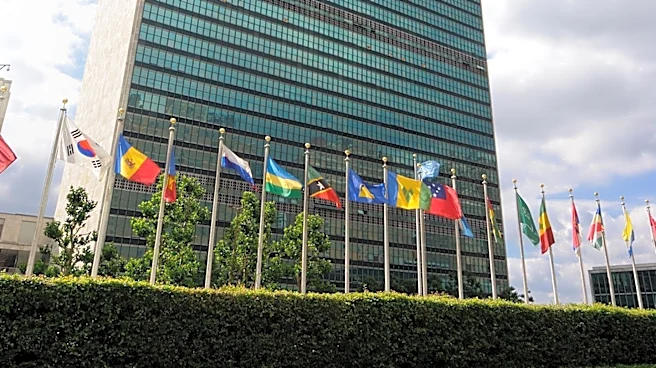
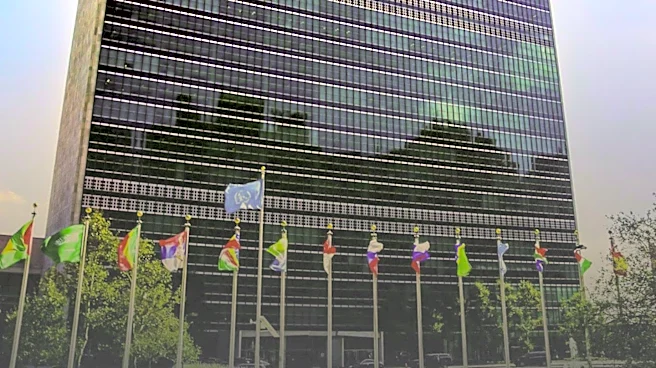
The UN80 Initiative is currently assessing Member States' perspectives on United Nations reform, drawing insights from the General Debate of the 81st session of the UN General Assembly held on September 22, 2026. A report by the Amman Center for Human
Rights Studies (ACHRS) highlights a shared desire among Member States for a more effective UN, but significant differences exist on how reform should proceed. Some nations prioritize organizational performance and financial sustainability, while others emphasize inequalities in decision-making, particularly the underrepresentation of Africa on the Security Council. The report also underscores the importance of adequate development financing and stronger implementation of existing international commitments. A key finding is that administrative improvements alone cannot resolve issues of representation and political authority, necessitating sustained negotiations for Security Council reform and ensuring efficiency measures strengthen the UN's mandate delivery.
Why It's Important?
This ongoing discussion about UN reform is critically important for global governance and international cooperation, directly impacting the U.S. and its role on the world stage. As a permanent member of the Security Council and a major financial contributor, the U.S. has a vested interest in the UN's effectiveness and legitimacy. Debates over Security Council representation, particularly for Africa, challenge the existing power structures and could lead to a more inclusive, but potentially more complex, decision-making body. The emphasis on financial sustainability and accountability aligns with U.S. calls for efficient use of resources within international organizations. However, differing views on how to achieve these reforms could create diplomatic friction. The outcome of these discussions will shape the UN's capacity to address global challenges, from climate change to peacekeeping, directly influencing the multilateral framework through which the U.S. pursues its foreign policy objectives and global security interests.
What's Next?
To support meaningful progress, the ACHRS report recommends several key actions. These include setting clear objectives and measurable indicators for reform, distinguishing between administrative changes and governance reforms that require intergovernmental agreement, and linking efficiency measures directly to mandate delivery with evidence of improved resource use. Strengthening accountability through clearly assigned responsibilities, timelines, and resources is also crucial. Furthermore, the report emphasizes connecting the UN80 Initiative with existing commitments, such as the 'Pact for the Future' and the 2030 Agenda. The success of UN80 will be measured by demonstrable improvements in institutional performance, requiring both practical organizational changes and political agreement on priorities, responsibilities, and decision-making among Member States. Sustained negotiations on Security Council reform are anticipated to be a central and challenging aspect of these ongoing efforts.
Beyond the Headlines
The UN80 Initiative's focus on reform delves into the fundamental challenges facing multilateralism in the 21st century. Beyond the administrative and financial aspects, the debate over representation, particularly for regions like Africa, highlights deep-seated historical power imbalances and the need for a more equitable global order. This raises ethical questions about fairness and inclusivity in international decision-making. The call for a 'Pact for the Future' suggests a broader vision for the UN, one that is adaptable and responsive to evolving global threats and opportunities. The discussions also implicitly touch upon the tension between national interests and collective action, a perennial challenge for international organizations. The long-term implications of these reforms could redefine the UN's legitimacy and its capacity to act as a credible forum for resolving global conflicts and promoting sustainable development, ultimately shaping the future of international relations and the U.S.'s engagement within that framework.