
What's Happening?
A recent study conducted by researchers from the Institute of Geology and Geophysics at the Chinese Academy of Sciences has highlighted the detrimental effects of common farming practices, such as deep plowing and the use of heavy machinery, on soil's
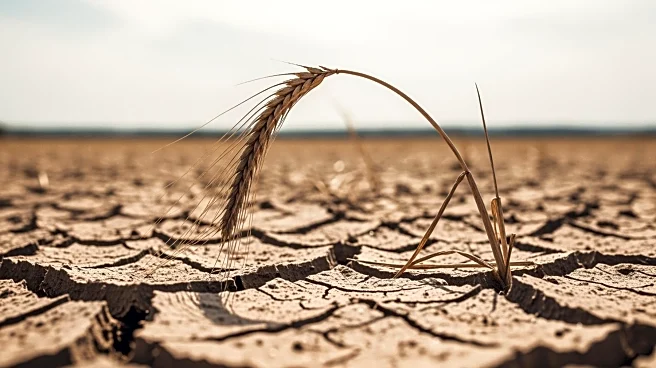
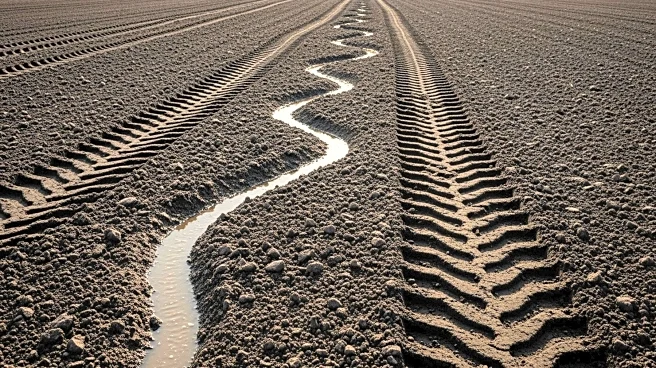
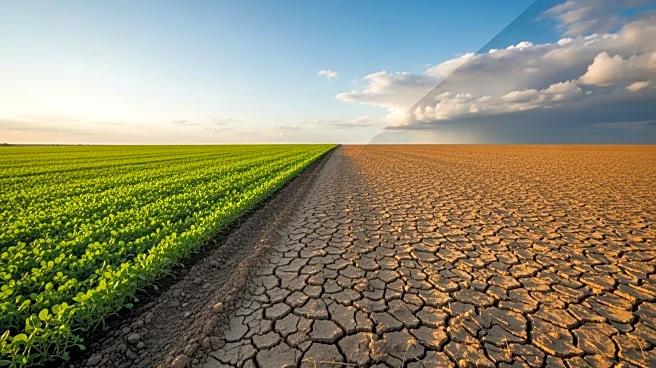
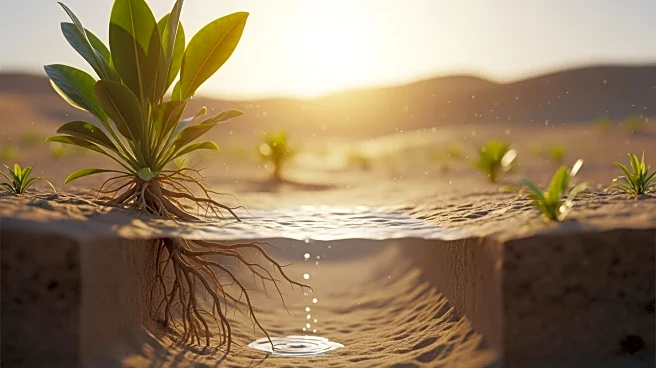
hidden water network. The study reveals that healthy soil functions like a living sponge, with a complex internal network that manages water movement, storage, and distribution. However, these farming practices disrupt the soil's structure, reducing its ability to absorb and retain water. This leaves crops vulnerable to flooding after storms and drought during dry periods. The research utilized fiber-optic cables to monitor water movement underground, providing insights into how soil structure affects water dynamics.
Why It's Important?
The findings underscore the critical role of soil structure in climate resilience, particularly as climate change increases the frequency of extreme weather events. Healthy soil can absorb heavy rainfall and store moisture for dry periods, which is essential for agricultural productivity. The study suggests that excessive tillage and compaction not only rearrange soil particles but also break the mechanical bonds that help soil manage water and support ecosystems. This has significant implications for farmers, as maintaining soil health is crucial for sustaining crop yields and mitigating the impacts of climate variability.
What's Next?
The study introduces a new approach for monitoring soil health using fiber-optic cables, which could allow for continuous, real-time assessment of soil water function without disturbing the field. This method could help farmers and scientists detect soil degradation early, compare management strategies, and implement practices that preserve soil's natural water management capabilities. As awareness of soil's role in climate resilience grows, there may be increased emphasis on sustainable farming practices that protect soil structure.