







What's Happening?
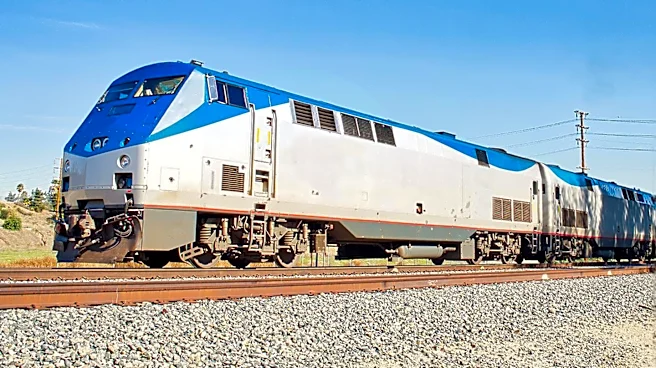
Pennsylvania Governor Josh Shapiro's office announced that Amtrak will introduce a second daily passenger train service between Pittsburgh and New York, with stops in Harrisburg and Philadelphia, starting in mid-November. This expansion is the culmination
of nearly three years of planning and over $80 million in investment, a collaborative effort involving Amtrak and freight railroad Norfolk Southern Corp., which owns the tracks between Pittsburgh and Harrisburg. The project received a significant boost in December 2023 when former U.S. Sen. Bob Casey (D-Pa.) and U.S. Sen John Fetterman (D-Pa.) announced a $144 million Federal Railroad Administration (FRA) grant. This funding was secured under the Biden-era Bipartisan Infrastructure Investment and Jobs Act, with the Pennsylvania Department of Transportation (PennDOT) covering approximately 20% of the project's total cost. The new service aims to enhance access to modern, safe, and reliable passenger rail for Pennsylvanians, fostering economic development and infrastructure investment. Amtrak plans to begin ticket sales for this additional Pennsylvanian train in October.
Why It's Important?
The introduction of a second daily Amtrak service between Pittsburgh and New York holds significant importance for Pennsylvania's economy and infrastructure. This expansion is expected to create jobs, stimulate economic development, and enhance connectivity across the commonwealth. Improved rail access can facilitate business travel and tourism, potentially boosting local economies in cities along the route. For residents, it offers a more convenient and reliable transportation option, reducing reliance on personal vehicles and potentially alleviating road congestion. The project also highlights the effective utilization of federal infrastructure funding, demonstrating how the Bipartisan Infrastructure Investment and Jobs Act can translate into tangible improvements for public services. The collaboration between state government, Amtrak, and Norfolk Southern sets a precedent for future public-private partnerships aimed at upgrading national transportation networks. Furthermore, increased passenger rail ridership, which has already surpassed pre-pandemic levels, underscores a growing demand for such services, making this expansion a timely response to public need.
What's Next?
Amtrak is scheduled to commence ticket sales for the new second daily Pennsylvanian train service in October, with the service officially launching in mid-November. This will allow passengers to plan their travel well in advance. The success of this expanded service could influence future decisions regarding passenger rail development in Pennsylvania and other states. PennDOT, having been a national leader in utilizing funds from the bipartisan infrastructure act, is also studying the resumption of passenger rail service from Scranton to New York and from Reading to Philadelphia. Positive outcomes from the Pittsburgh-New York expansion could provide further impetus for these and other proposed rail projects. Stakeholders, including local communities, businesses, and advocacy groups, will likely monitor the ridership numbers and economic impacts of the new service. Continued strong partnerships between Amtrak, PennDOT, and freight rail companies like Norfolk Southern will be crucial for the sustained success and potential further expansion of passenger rail services.
Beyond the Headlines
This expansion of Amtrak service signifies a broader shift towards reinvesting in public transportation infrastructure, particularly rail, as a means to address economic development, environmental concerns, and quality of life. The project's reliance on federal funding from the Bipartisan Infrastructure Investment and Jobs Act underscores a national commitment to modernizing aging infrastructure and promoting sustainable transport options. Beyond the immediate economic benefits, enhanced rail connectivity can foster greater regional integration, allowing for easier movement of people and ideas between major urban centers and smaller communities. This could lead to cultural exchanges, increased access to educational and employment opportunities, and a more interconnected society. The successful negotiation and collaboration between a passenger rail operator (Amtrak) and a freight rail owner (Norfolk Southern) also highlight the complex but essential coordination required to expand shared rail infrastructure, setting a model for future projects where such cooperation is vital. This initiative reflects a long-term vision for a more robust and integrated national transportation system.