






What's Happening?
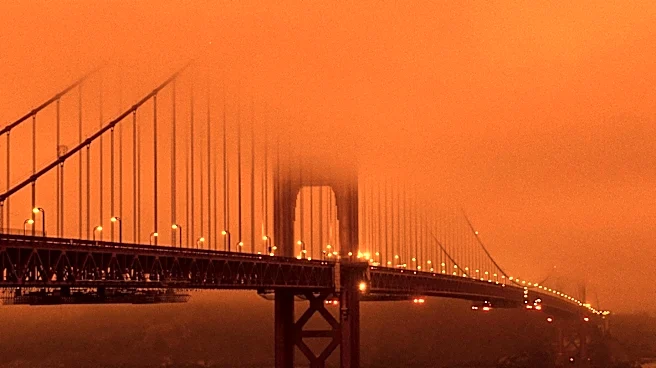
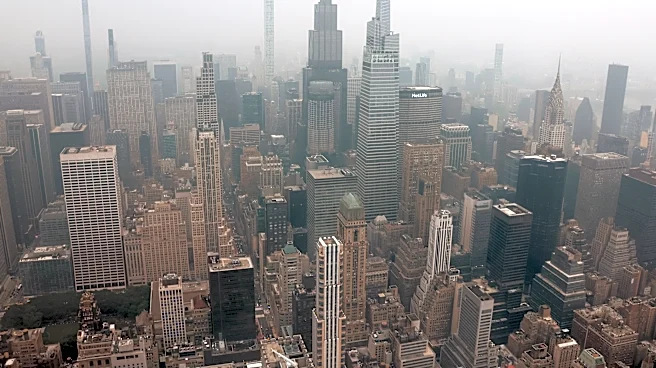
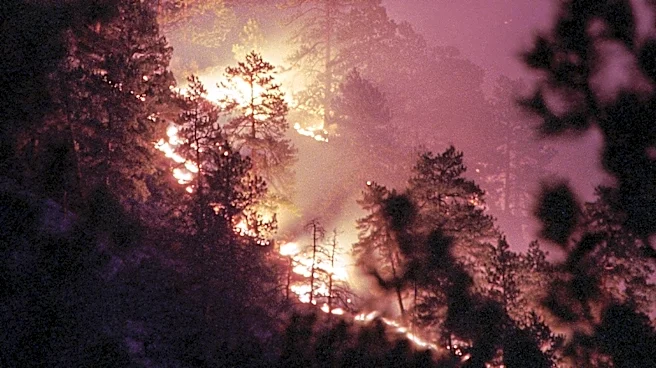
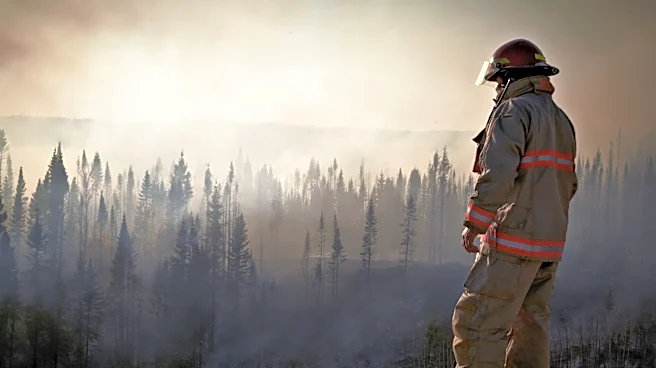
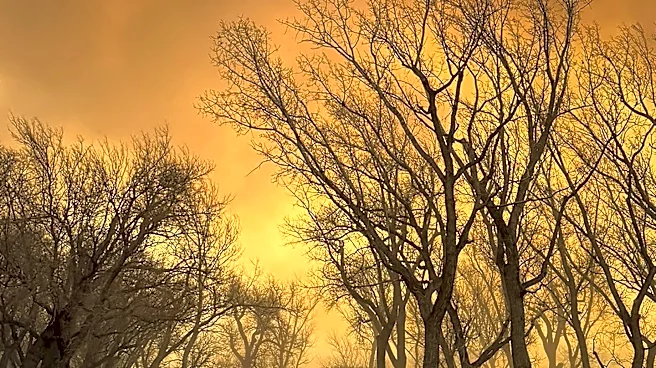
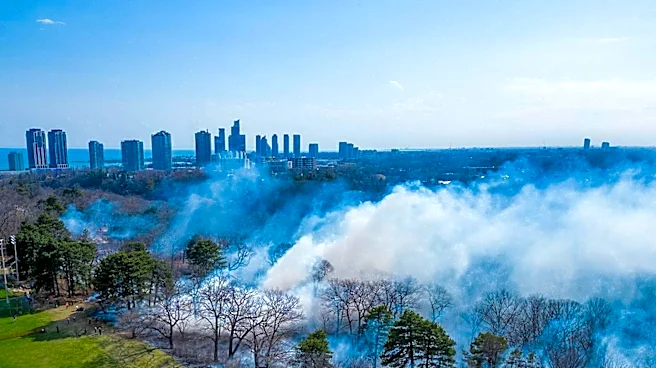
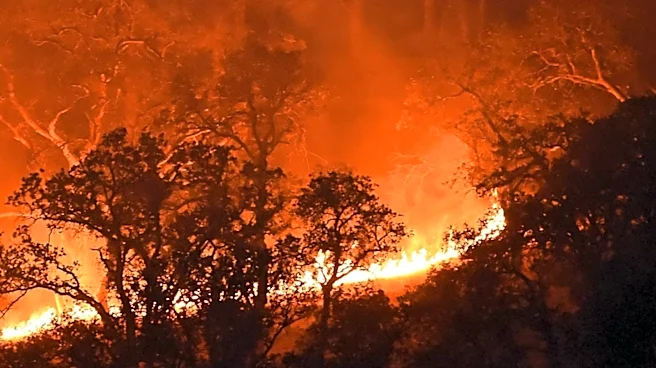
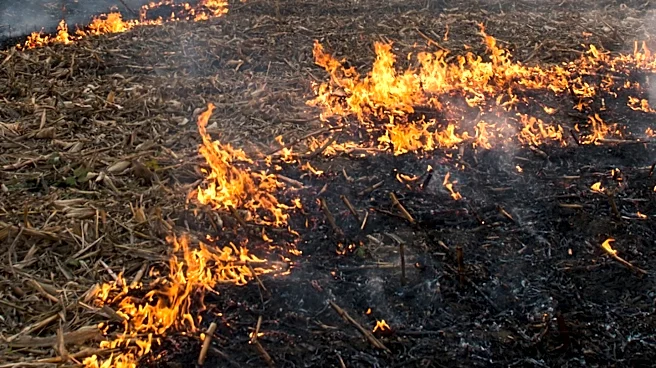
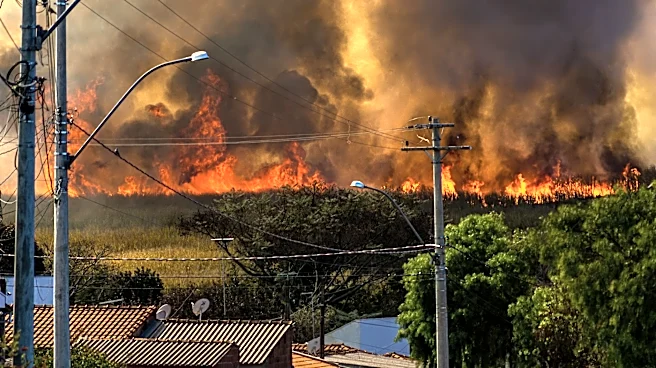
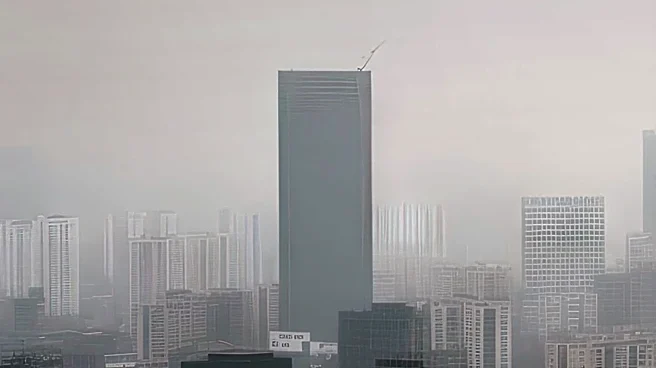
Recent wildfires in Canada have caused severe air quality issues across the Midwest, Mid-Atlantic, and Northeast U.S., affecting millions. The smoke contains PM2.5 particles, which pose significant health risks. The increasing frequency and intensity
of wildfires are linked to climate change, driven by rising greenhouse gas emissions. This situation highlights the urgent need for effective climate policies and public awareness to address the root causes of these environmental challenges.
Why It's Important?
The health impacts of wildfire smoke underscore the broader consequences of climate change on public health and safety. As wildfires become more common, they pose a growing threat to communities and ecosystems. This situation calls for coordinated efforts to reduce emissions and implement climate-smart policies. The public's exposure to these events may increase support for climate action and influence policy decisions at local, state, and national levels.
What's Next?
The ongoing air quality crisis may prompt policymakers to prioritize climate resilience and adaptation strategies. There could be increased investment in clean energy, reforestation, and infrastructure improvements to mitigate the effects of climate change. Public awareness campaigns and educational initiatives may also play a role in fostering community engagement and support for sustainable practices. The situation highlights the need for international cooperation to address the global nature of climate challenges.
Beyond the Headlines
The wildfires serve as a stark reminder of the interconnectedness of environmental, health, and economic issues. They highlight the importance of integrating climate considerations into all aspects of policy and planning. The events also raise ethical questions about the responsibility of current generations to protect future generations from the impacts of climate change. This situation may catalyze a broader cultural shift towards sustainability and environmental stewardship.