





What's Happening?
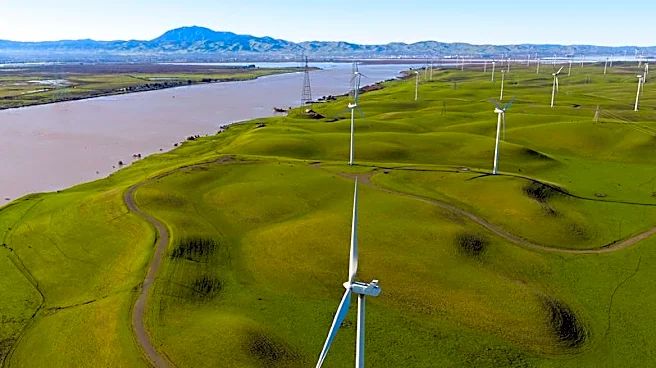
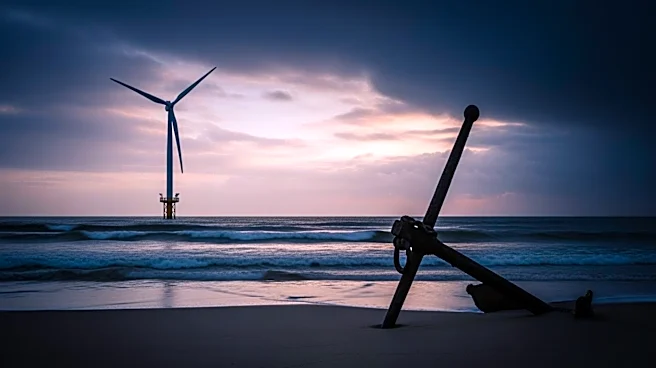
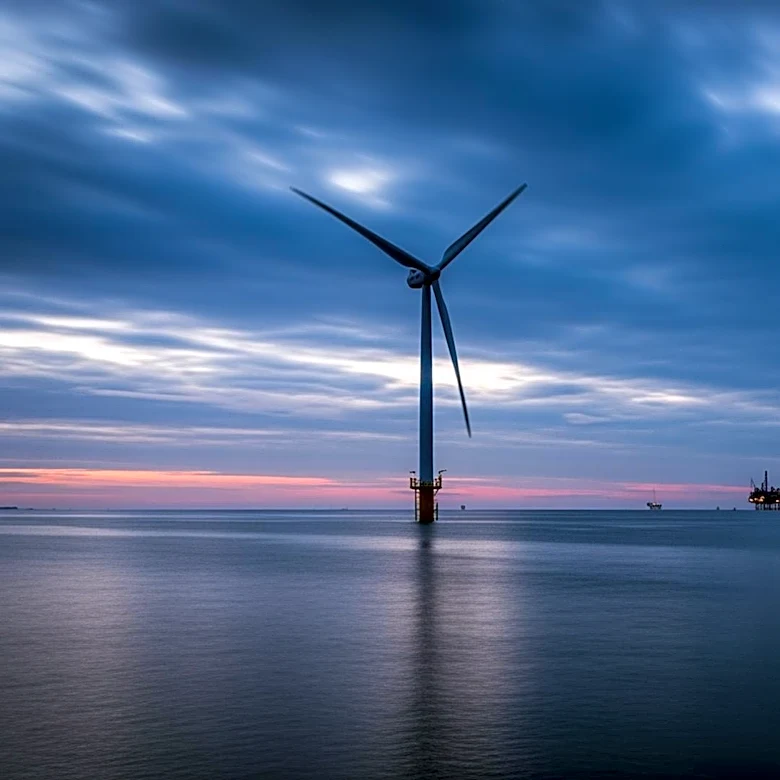
California is investigating a deal made by the Trump administration to terminate an offshore wind project known as Golden State Wind. The California Energy Commission has issued an administrative subpoena to Golden State Wind, seeking documents and information
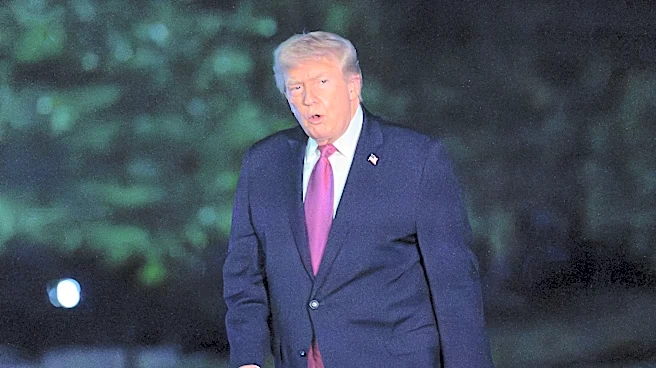
about the company's agreement with the Department of Interior. This agreement involved accepting a payout in exchange for abandoning its offshore wind lease. The Trump administration has been spending nearly $2 billion to encourage energy companies to withdraw from U.S. offshore wind projects, a strategy adopted after federal courts blocked President Trump's attempts to halt offshore wind development. The deal with Golden State Wind is part of a broader effort that includes similar agreements with other companies, such as TotalEnergies and Bluepoint Wind, which have been offered reimbursements to invest in fossil fuels instead.
Why It's Important?
The investigation highlights significant concerns about the use of taxpayer dollars and the potential impact on renewable energy initiatives. California, which has invested heavily in offshore wind development to transition to clean energy, views these deals as a setback to its environmental goals. The state's Attorney General, Rob Bonta, has indicated potential litigation involving the federal government and parties to these lease buyouts, which could affect California's energy needs and offshore wind programs. The situation underscores the tension between federal and state priorities in energy policy, with California and other stakeholders advocating for sustainable energy solutions while the Trump administration's actions appear to favor fossil fuel investments.
What's Next?
The investigation by California could lead to legal action aimed at protecting the state's renewable energy investments and jobs. Additionally, Democrats in Congress are also scrutinizing these deals, with U.S. Representatives Jared Huffman and Jamie Raskin demanding information about the agreements. The outcome of these investigations and potential legal challenges could influence future federal and state energy policies, particularly in the context of offshore wind development and climate change mitigation efforts.