





What's Happening?
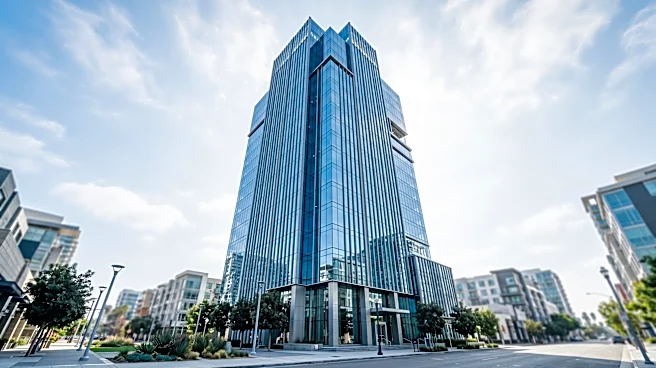
South Worcester is emerging as a dynamic mixed-use neighborhood, strategically located adjacent to downtown Worcester, near the College of the Holy Cross, and bordering the Main South area. Historically shaped by factories along the Middle River, the neighborhood's
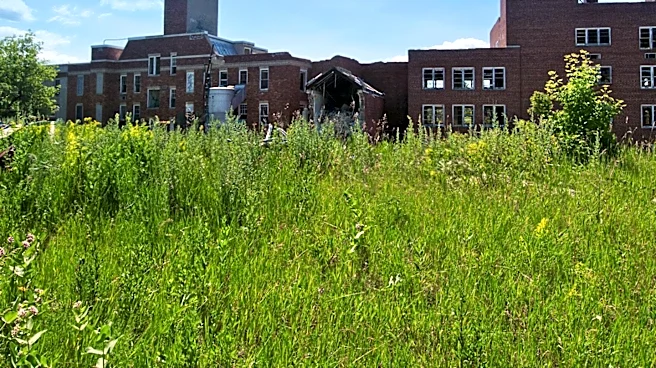
layout still reflects its industrial past, featuring tightly grouped single-family and multi-family homes interspersed with industrial facilities and street art. This area is part of a larger region that includes Main South, Cambridge Street, and the Canal District. The neighborhood offers a unique urban and industrial feel, distinct from more suburban areas. Key community anchors include the Dr. Arthur F. Sullivan Middle School and South High Community School, both participating in the Goddard Scholars Academy, and the South Worcester Neighborhood Center, which provides a food pantry and hosts community events.
Why It's Important?
The evolution of South Worcester as a mixed-use neighborhood is significant for urban development and community planning in the U.S. Its blend of residential, commercial, and industrial elements offers a model for sustainable urban living, where residents can live, work, and access services within close proximity. This can reduce commuting times and foster a stronger sense of local community. The presence of educational institutions like the College of the Holy Cross nearby, and the Goddard Scholars Academy within the neighborhood's schools, highlights a commitment to academic excellence and community engagement. The South Worcester Neighborhood Center's role in providing essential services like a food pantry underscores the importance of local support systems in diverse urban environments. This development can attract new residents and businesses, contributing to economic growth and revitalization in a historically industrial area, while also presenting challenges related to managing traffic, noise, and maintaining the neighborhood's unique character.
What's Next?
As South Worcester continues to develop, future plans will likely focus on balancing its industrial heritage with modern urban living needs. This includes managing the impact of increased traffic and noise due to its proximity to an interstate and busy college areas. For residents considering moving to the area, practical tips suggest visiting at different times of day to understand the varying traffic and noise levels. Additionally, due to tightly grouped houses and industrial buildings, curb space and truck access can be limited, requiring careful planning for moving days. The ongoing development of mixed-use spaces will likely attract more businesses and residents, further integrating the neighborhood into the broader Worcester urban fabric. Continued collaboration between community organizations, educational institutions, and local government will be crucial to ensure the neighborhood's growth benefits all stakeholders and preserves its distinctive character.
Beyond the Headlines
The transformation of South Worcester into a vibrant mixed-use neighborhood reflects broader trends in urban revitalization across the U.S. It challenges traditional zoning practices by integrating residential, commercial, and industrial spaces, fostering a more dynamic and resilient urban environment. This approach can lead to increased walkability, reduced carbon footprints, and a stronger sense of community identity. However, it also presents challenges related to gentrification, ensuring that long-term residents are not displaced by rising costs, and maintaining the historical character of the area. The blend of old factory buildings with new developments creates a unique aesthetic and cultural landscape, offering a rich tapestry of history and modernity. The success of South Worcester's mixed-use model could provide valuable lessons for other cities looking to redevelop their industrial zones into thriving, integrated communities, emphasizing the importance of thoughtful planning and community engagement.