




What's Happening?
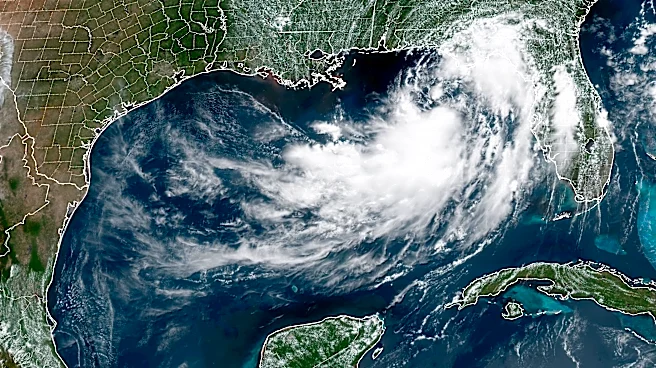
A recent report by Realtor.com reveals that nearly 23.1% of U.S. homes, valued at $11.2 trillion, are at severe or extreme risk from climate-related events such as wind, flood, or wildfire. Despite these risks, demand for homes in high-risk areas remains
strong, often driven by affordability and location preferences. The report highlights that homeowners in these areas face higher costs, with median HOA fees at $192 per month, 53.6% more than those in lower-risk areas. Additionally, the National Flood Insurance Program (NFIP) saw a 4.5% decline in active contracts between May 2025 and May 2026, with significant drops in states like Texas and Oklahoma. The report also notes that serious mortgage delinquency rates in high-risk states like Louisiana and Mississippi are more than double the national average.
Why It's Important?
The findings underscore the financial implications of climate risk on the housing market, affecting insurance premiums, HOA fees, and mortgage delinquency rates. As climate risks become more pronounced, homeowners and potential buyers must consider the long-term financial burdens associated with living in high-risk areas. The decline in NFIP policies and rising insurance costs could lead to increased financial strain on homeowners, potentially impacting the broader housing market. This situation highlights the need for informed decision-making when purchasing property in areas prone to climate-related disasters.
What's Next?
As climate risks continue to affect the housing market, stakeholders, including policymakers and insurance companies, may need to reassess strategies to mitigate financial impacts on homeowners. Potential measures could include revising insurance models to better reflect individual property risks and implementing policies to encourage sustainable development in lower-risk areas. Additionally, increased awareness and education about the financial implications of climate risk could influence future homebuyer decisions, potentially shifting demand towards safer regions.
Beyond the Headlines
The report raises questions about the long-term sustainability of housing markets in high-risk areas and the ethical considerations of selling homes in these regions without fully disclosing potential risks. As climate change intensifies, there may be a cultural shift towards prioritizing environmental safety over traditional factors like location and price. This could lead to changes in real estate practices and increased pressure on governments to implement stricter building codes and zoning laws to protect communities from climate-related threats.