





What's Happening?
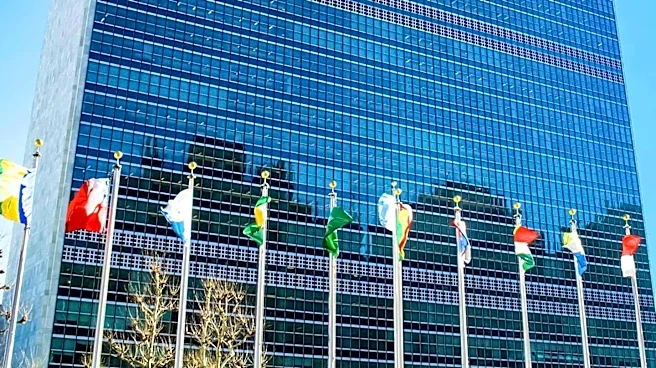
Following significant cuts to global support previously offered by the U.S. Agency for International Development, the Trump administration has announced nearly $2 billion in funding for faith-based and community groups. This funding is part of the America
First Global Health Strategy, focusing on prioritizing American interests while promoting life-saving assistance. The largest portion, $1.4 billion, is designated for faith-based hospitals and clinics, training community health workers. Major recipients include Samaritan's Purse, World Vision, and Compassion International. The decision has drawn praise from recipients but criticism for its emphasis on Christian organizations, excluding non-Christian groups like the American Jewish World Service.
Why It's Important?
The funding decision reflects a shift in U.S. foreign aid policy, emphasizing religious organizations' role in delivering humanitarian assistance. This approach has sparked debate over the separation of church and state, as critics argue that prioritizing Christian groups could violate constitutional principles. The exclusion of non-Christian organizations raises concerns about equitable access to aid and the potential for ideological biases in funding decisions. The impact on global health efforts is significant, as the closure of USAID has already affected projects combating diseases like Ebola. The administration's focus on faith-based providers may influence future foreign aid strategies, potentially affecting secular organizations' ability to access funding.
What's Next?
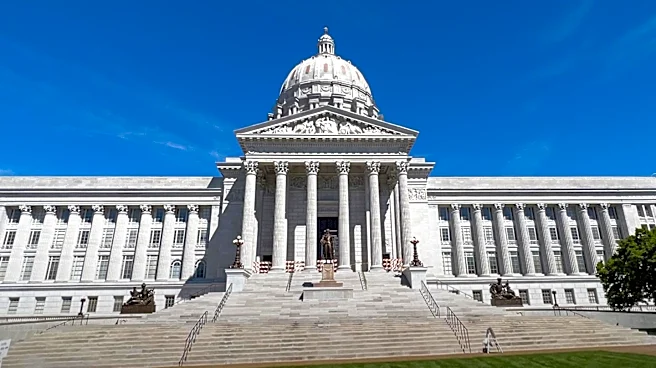
The Trump administration's decision may lead to legal challenges, as organizations and individuals question the constitutionality of prioritizing religious groups for federal funding. The Freedom From Religion Foundation has expressed concerns about the restructuring of American foreign assistance around religion. Stakeholders, including political leaders and civil society groups, may push for a reevaluation of foreign aid policies to ensure a balanced approach that does not favor religious organizations over secular ones. The impact on international health efforts, particularly in regions affected by USAID's closure, will likely continue to be a point of contention.