




What's Happening?
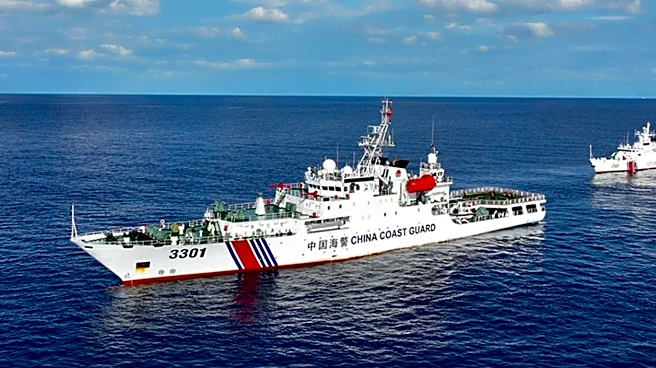
Two North Korean oil tankers, NAM SAN 8 and CHON MA SAN, sanctioned by the United Nations Security Council, have been repeatedly observed operating off China's coast. According to vessel-tracking data from MarineTraffic, these vessels were spotted near
Xiaoqu Shan and Tang Yu in the Hangzhou Bay and Ningbo-Zhoushan area. Neil Watts, a former member of the U.N. Panel of Experts on North Korea sanctions, stated that this area is known for illicit ship-to-ship transfers of cargo from North Korean vessels. These transfers allow cargo to be moved at sea without entering a port, making it difficult to trace the origin and destination of the goods. Both tankers were added to the U.S. sanctions list in 2018 and are subject to asset freezes and port bans for UN member states, including China. This activity suggests a 'workaround' tactic to circumvent the consequences of their designation and continue illicit operations, despite UN Security Council Resolution 2397, which mandates member states to seize and impound vessels involved in prohibited activities.
Why It's Important?
The continued operation of UN-sanctioned North Korean tankers off China's coast poses a significant challenge to international sanctions enforcement and non-proliferation efforts. This circumvention undermines the effectiveness of UN Security Council resolutions aimed at curbing North Korea's illicit activities, which often fund its weapons programs. The use of ship-to-ship transfers at sea creates a loophole that makes it harder for international bodies and individual nations to monitor and enforce sanctions, potentially allowing North Korea to continue acquiring resources despite restrictions. This situation also highlights potential gaps in enforcement by member states, as China, a UN member, has not responded to inquiries regarding the vessels' activities or its enforcement of relevant sanctions. The U.S. Treasury Department's Office of Foreign Assets Control (OFAC) has placed these ships on its Specially Designated Nationals List, barring American dealings with them, but the broader international community's ability to enforce these measures is critical. The ongoing evasion could embolden other sanctioned entities to adopt similar tactics, further complicating global efforts to maintain stability and enforce international law.
What's Next?
The continued presence and operation of these sanctioned North Korean tankers will likely prompt increased scrutiny from international bodies and nations committed to enforcing UN sanctions. The U.S. and its allies may pressure China to enhance its enforcement efforts and prevent such illicit activities within its territorial waters or adjacent areas. There could be calls for more robust international cooperation and intelligence sharing to track and interdict vessels engaged in sanctions evasion. Furthermore, the development may lead to discussions within the UN Security Council about strengthening enforcement mechanisms or closing loopholes that allow for at-sea transfers. The effectiveness of future sanctions regimes will depend on the ability of member states to collectively address and counter these sophisticated evasion tactics. Without a more concerted and unified approach, North Korea may continue to exploit these vulnerabilities, undermining the intended impact of international sanctions.
Beyond the Headlines
The persistent evasion of UN sanctions by North Korean tankers underscores a broader geopolitical challenge: the tension between national sovereignty and international obligations. While UN resolutions impose duties on member states, the practical enforcement often depends on the political will and capabilities of individual nations, particularly those with significant maritime borders. The lack of response from the Chinese government regarding these vessels raises questions about its commitment to fully implementing UN sanctions, potentially signaling a prioritization of regional stability or other strategic interests over strict adherence to international mandates. This situation also highlights the evolving nature of illicit trade, where actors constantly adapt their methods to bypass detection and enforcement. The 'workaround' tactic of at-sea transfers represents a sophisticated challenge that requires innovative countermeasures, including advanced satellite monitoring, intelligence gathering, and coordinated naval interdiction efforts. The long-term implications could include a weakening of the international sanctions regime as a tool for diplomatic pressure, potentially leading to increased instability in regions where such evasions are prevalent.